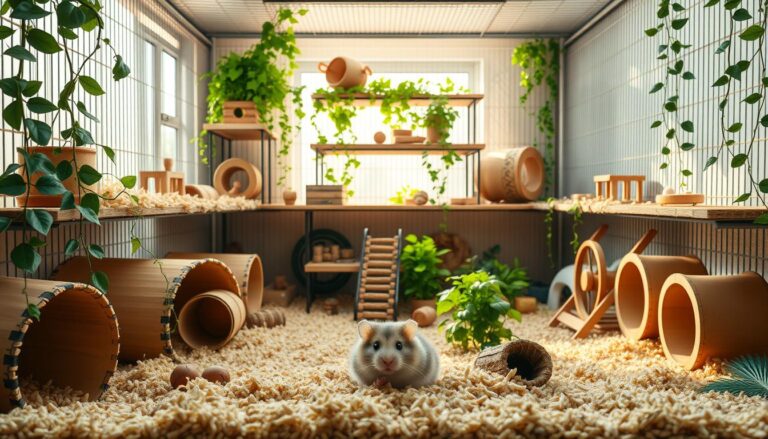

Syrian Hamster Care Guide for First Time Owners
Bringing a new animal into your home is a truly magical experience. It fills your space with life and joy. If you’re looking for a gentle companion, the syrian hamster is perfect. They are great for families and beginners.
These small creatures have a fascinating history. They were first found in the wild near the Middle East in 1930.
Since they were introduced to homes, they’ve become beloved friends for millions. Proper hamster care needs patience and planning. By creating a safe, comfy environment, you ensure your pet’s happiness.
With the right care, you’ll find a unique bond with these tiny companions. It’s deeply rewarding.
Key Takeaways
- These pets are perfect for first-time owners and families.
- They were first discovered in the wild in 1930.
- Preparation is the most important step before adoption.
- A clean, spacious habitat is essential for their health.
- Consistent interaction helps build a strong, trusting bond.
Understanding Your Syrian Hamster
Getting to know your new pet is the first step toward building a lasting and trusting bond. When you bring a syrian hamster into your home, you are welcoming a curious and intelligent companion. They thrive on routine and gentle care.
Natural Behavior and Temperament
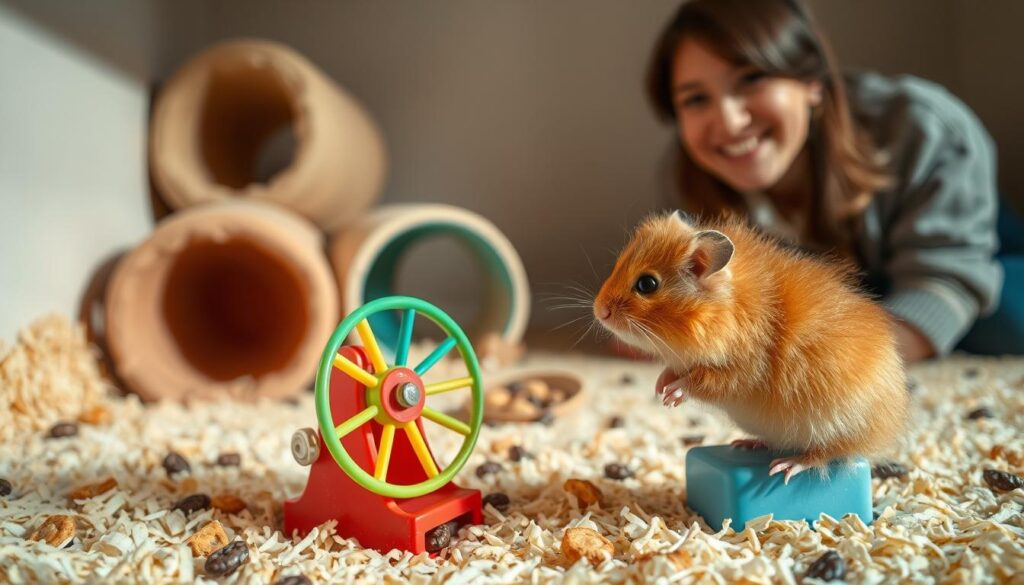
These animals are naturally nocturnal, meaning they are most active at night. This schedule often fits well with your evening or night hours.
Being larger than other species, they are great for beginners. Watching their syrian hamster behavior helps you learn their unique personality. This way, you can create the right environment for them to feel safe and secure.
Key Syrian Hamster Facts for New Owners
It’s important to remember that these pets are solitary by nature. Unlike some other small animals, they prefer to live alone. They can become territorial if forced to share their space.
Here are some essential syrian hamster facts to help you manage your expectations:
- They are strictly solitary and should be housed individually.
- They have a lifespan typically ranging from two to three years.
- They are excellent burrowers and enjoy deep bedding for comfort.
- Patience is vital when building trust through slow, gentle interactions.
By respecting their need for solitude and their nocturnal rhythm, you create a stress-free life for your pet. Consistency in your daily interactions will help your companion feel comfortable and happy in your care.
Setting Up the Ideal Syrian Hamster Habitat
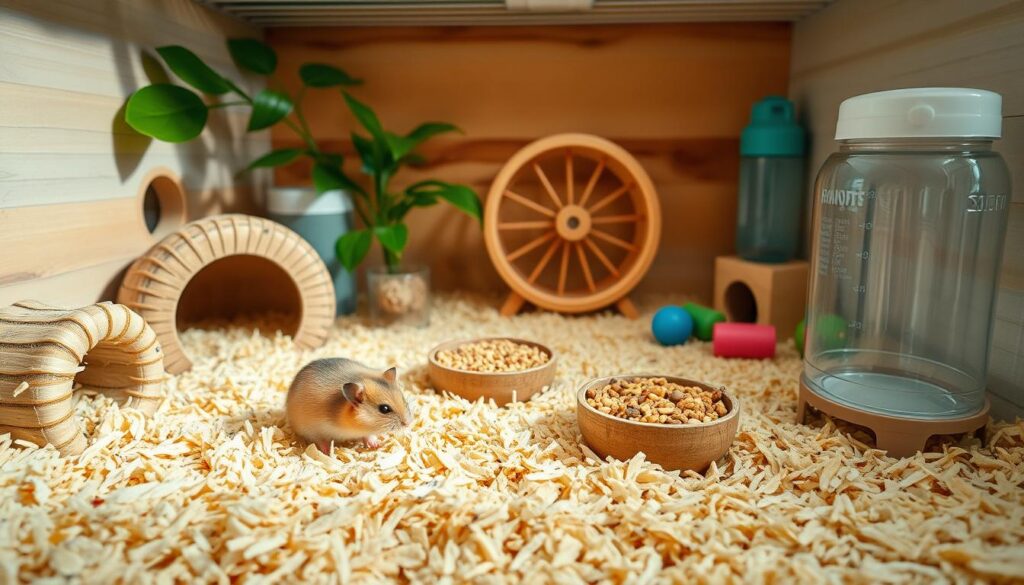
A well-planned environment is key for a happy, healthy life for your pet. A space that feels natural helps your syrian hamster feel safe. This reduces stress and bad behaviors.
“The greatness of a nation and its moral progress can be judged by the way its animals are treated.”
Choosing the Right Cage Size and Ventilation
When setting up your syrian hamster habitat, focus on floor space. Aim for 800 to 1,000 square inches of floor area. This lets your hamster explore naturally.
Stay away from multi-level cages. Hamsters don’t climb well and can fall. Make sure your cage has good air flow. A wire-top lid helps keep ammonia and moisture out.
Selecting Safe Bedding Materials
Choosing the right bedding is crucial for your hamster’s health. Go for unscented, paper-based bedding that’s soft and absorbs well.
Don’t use cedar or pine shavings. They can harm your hamster’s lungs. Use at least six inches of bedding. This lets your hamster burrow naturally.
Creating a Comfortable Nesting Area
Every syrian hamster needs a quiet, dark spot for sleep. A wooden or ceramic hideout can make them feel secure.
Use soft, dust-free materials like plain toilet paper or special paper strips in this area. These comforts help your hamster feel safe and relaxed in its new home.
Nutritional Requirements and Healthy Diet
A balanced hamster diet is key to your pet’s health and energy. It helps build muscles and keeps them active all their life.
High-Quality Pellets and Seed Mixes
High-quality rodent blocks or pellets should be the main part of your pet’s diet. They are made to give all the nutrients needed, stopping your pet from picking and choosing food.
Seed mixes are tasty, but watch out for their fat content. Too many sunflower seeds can make your hamster fat. Here are some tips for a healthy hamster diet:
- Choose a lab block that lists protein as a primary ingredient.
- Limit high-fat seeds to occasional treats rather than a daily staple.
- Ensure the food is fresh and stored in an airtight container to maintain quality.
Safe Fresh Fruits and Vegetables
Adding fresh fruits and veggies to your pet’s diet is great for vitamins and water. But, don’t overdo it to avoid stomach problems.
Always wash veggies well to get rid of pesticides. You can safely give your hamster diet small amounts of:
- Carrots and broccoli florets
- Cucumber slices for extra hydration
- Small pieces of apple (without seeds)
Hydration and Water Bottle Maintenance
Keeping your hamster’s water clean is as important as their food. Make sure they have a water bottle they can easily get to.
Check the bottle every day to make sure the ball bearing is moving and water is flowing. Clean the bottle often with a bottle brush to stop algae and bacteria. This keeps the hamster diet and water cycle clean and safe.
Essential Syrian Hamster Care and Hygiene
Keeping a clean home for your hamster is key. Regular cleaning helps your pet stay healthy and happy. Simple steps can stop bacteria and keep your hamster joyful.
Establishing a Cleaning Routine
Keeping a clean home for your hamster is a two-step job. Start with daily spot-cleaning. Remove dirty bedding, leftover food, and waste from corners. This keeps the home smelling fresh and clean.
Once a week, do a deep clean. Move your hamster to a safe place, throw out old bedding, and clean the cage with a safe cleaner. Make sure the cage is dry before adding new bedding and bringing your hamster back home.
Handling Your Hamster Safely
Building trust with your hamster is important. Move slowly and speak softly to avoid scaring them. When picking them up, use both hands to hold them securely.
This way, you prevent falls and injuries. Don’t grab them from above, as it scares them. Let them come to you, which helps build a positive bond.
Grooming and Coat Maintenance
Syrian hamsters are clean animals and spend a lot of time grooming. They usually don’t need baths, as water can harm their coat. If their fur looks dull or matted, it might mean they’re not well or need more toys.
Help them stay clean with a sand bath made from safe, calcium-free sand. They’ll roll in it to keep their fur soft. Watching their coat helps you see how they’re doing.
Enrichment and Toys for Mental Stimulation
You can turn your hamster’s cage into a fun playground with the right items. It’s important to give your hamster different hamster toys to keep them from getting bored. Changing these toys often keeps your pet’s mind sharp and body active.
Selecting Appropriate Exercise Wheels
A solid-surface wheel is a must-have for every Syrian hamster. Stay away from wire or mesh wheels, as they can hurt your hamster’s feet or trap their limbs. Choose a wheel that’s at least 10 to 12 inches in diameter to keep your hamster’s back straight while running.
Chew Toys for Dental Health
Hamsters need to chew because their teeth grow all the time. Safe wooden hamster toys help keep their teeth the right length. Make sure the wood is untreated and non-toxic to keep your pet safe while they chew.
Hideouts and Burrowing Opportunities
In the wild, hamsters love to hide in tunnels. You can give them this feeling by adding cardboard tubes, wooden bridges, or nesting boxes. These hamster toys make your pet feel safe and let them enjoy natural burrowing.
| Enrichment Type | Primary Benefit | Frequency of Use |
|---|---|---|
| Exercise Wheels | Physical fitness | Daily |
| Wooden Chews | Dental maintenance | Constant |
| Hideouts | Stress reduction | Daily |
| Tunnels | Natural exploration | Occasional |
Remember, a happy hamster needs variety. Mixing different textures and challenges makes a lively environment. Always check your hamster toys for damage to keep your pet safe.
Monitoring Syrian Hamster Health and Wellness
Keeping your hamster healthy means watching them closely and acting fast. Spend time with your hamster every day. This helps you know what’s normal for them.
Signs of a Healthy Hamster
A healthy hamster is full of energy and always curious. Look for a shiny, clean coat and bright, clear eyes. Their breathing should be quiet and steady.
They should also be at a good weight and love to eat. Active on their wheel and eager to explore are good signs. Regular grooming and interaction with their space show they’re doing well.
Common Health Issues to Watch For
Even with great care, hamsters can get sick. “Wet Tail” is a serious condition that causes diarrhea and tiredness. Watch for sneezing or matted fur around the nose for respiratory infections.
Syrian hamster breeding is complex and best left to experts. For owners, keeping their environment clean and stress-free helps prevent illness. Look out for sudden weight loss or lumps, as these need quick attention.
When to Consult an Exotic Veterinarian
Find a good exotic vet before you need them. Don’t wait if your hamster stops eating or moving normally. Quick action can save their life.
| Indicator | Healthy State | Warning Sign |
|---|---|---|
| Activity Level | Energetic and curious | Lethargic or hiding constantly |
| Coat Condition | Soft and well-groomed | Matted, oily, or patchy |
| Appetite | Consistent and eager | Refusal of food or water |
| Eyes and Nose | Clear and bright | Discharge or crustiness |
Always trust your instincts when it comes to your pet. If something seems off, get a vet’s opinion. Regular checks keep your hamster happy and healthy for a long time.
Conclusion
Welcoming a Syrian hamster into your home is the beginning of a wonderful adventure. Your dedication to their care creates a safe haven for them to flourish. By giving them daily attention and sticking to routines, you ensure their happiness.
Providing a balanced diet is crucial for your hamster’s health and energy. Quality food keeps them active and well for a long time. Even small changes in their environment can greatly improve their life.
Getting to know your hamster’s personality is key. Spending time together builds trust and strengthens your bond. You are their main support for a happy and fulfilling life.
Sharing your experiences with other pet owners can be very helpful. It keeps you updated on the latest in caring for small animals. Your hard work makes you an outstanding hamster guardian.