Find the Perfect Syrian Hamster Cage for Your Home
Getting a new furry friend is a moment full of genuine excitement. You want to give them the best, making sure they’re safe, happy, and feel at home. But, the way we care for small animals has changed a lot lately.
Many old cages are too small for these active pets. Studies show that lots of floor space is key for their health. Moving to bigger, better homes lets them live happily and naturally.
Choosing the right cage is crucial for new owners. A big, quality cage lets your pet burrow, explore, and play. Knowing what your pet needs makes finding the best cage easy.
Key Takeaways
- Modern research emphasizes that larger floor space is vital for pet health.
- Outdated, small enclosures often lead to stress and behavioral issues.
- Prioritize habitats that allow for deep bedding to support natural burrowing instincts.
- Quality living environments significantly improve the lifespan of your pet.
- Investing in a spacious home is the foundation of responsible ownership.
Understanding the Essential Requirements for a Syrian Hamster Cage
Before you bring your new companion home, you must understand the basic needs of a proper enclosure. A syrian hamster cage is where your pet will eat, sleep, and exercise. Its design is key to their happiness and health.
Minimum Floor Space and Vertical Height
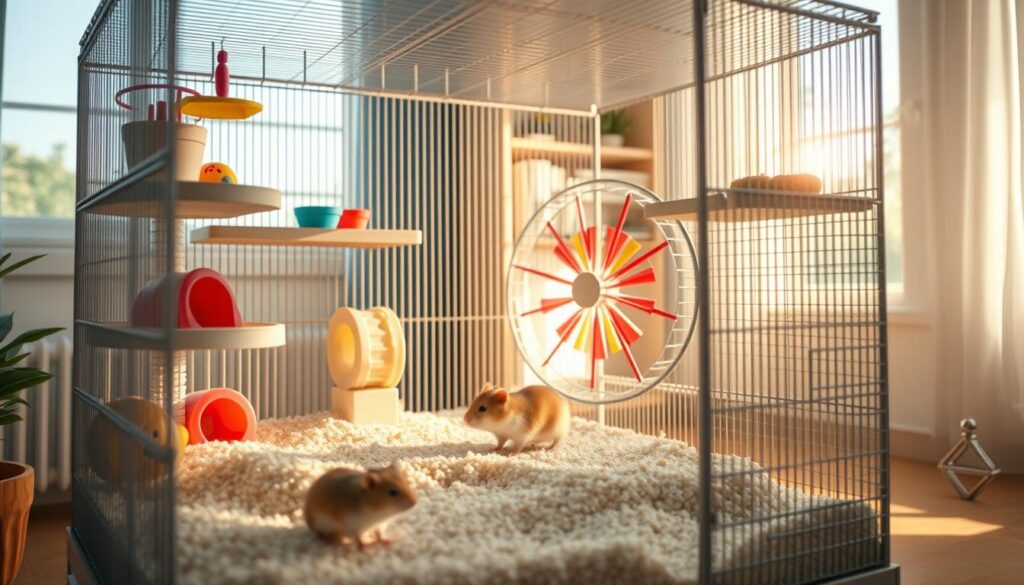
Syrian hamsters are active and need lots of room for natural behaviors like burrowing and running. When choosing a syrian hamster cage size, focus on floor space, not height. They are not climbers.
A large syrian hamster cage offers enough space for a deep layer of bedding for tunnels. Aim for at least 600 square inches of floor space. This ensures your pet has room to thrive.
The Importance of Proper Ventilation
Keeping the air quality high is crucial for your pet’s health. Poor air can lead to ammonia buildup from urine, causing serious respiratory problems in small animals.
Make sure your syrian hamster cage has enough mesh or wire for good air flow. Stay away from solid-walled containers without top or side ventilation. These can become humid and stagnant quickly.
Security Features to Prevent Escapes
Hamsters are known for trying to escape. A large syrian hamster cage must be made from strong materials that can’t be chewed or pushed open.
Ensure all latches and doors are securely fastened to stop accidental openings. By choosing the right syrian hamster cage size and building it to last, you create a safe place for your pet to relax and feel secure.
Evaluating Different Types of Syrian Hamster Enclosures
Choosing the right syrian hamster enclosure can be tough. It depends on your space, budget, and your hamster’s needs. Each type has its own pros and cons.
Glass Aquariums and Terrariums
Glass tanks are loved for their clear views. They’re great for deep bedding, letting your hamster burrow naturally. But, make sure the tank is big enough for your hamster to move around.
Since glass tanks don’t breathe, use a mesh lid. This keeps the air inside fresh and clean.
Wire Cages with Deep Plastic Bases
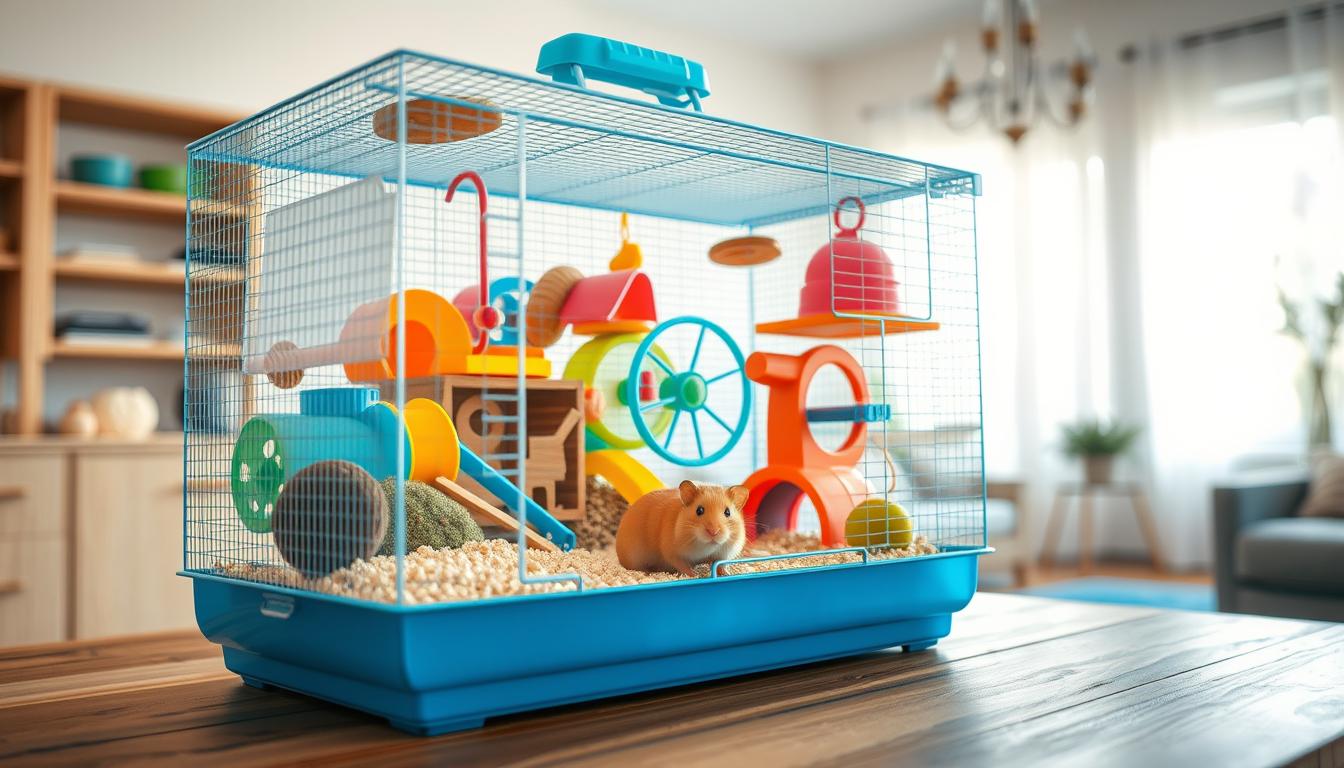
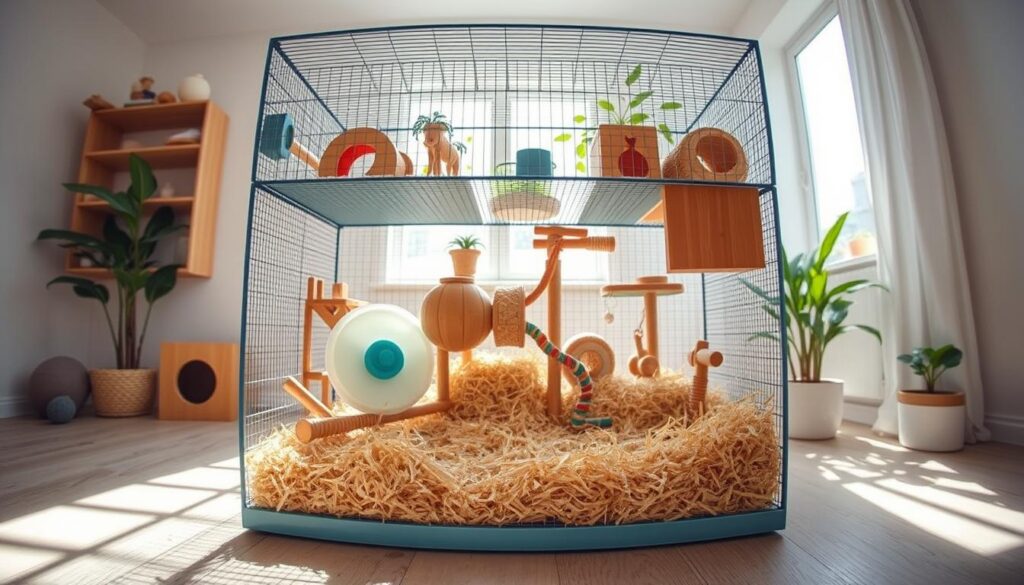
Wire cages are popular for their good air flow and easy cleaning. They come with a deep plastic base for bedding. The wire top is perfect for adding toys and water bottles.
Choose cages with lots of floor space. Hamsters love to run around on the ground, not climb.
DIY Bin Cages and Custom Habitats
The syrian hamster cage diy trend started in 2020. People used 200-quart bins, adding mesh for a big, affordable home.
Building your own syrian hamster cage diy lets you fit it perfectly in your space. You can use bins or wood. Just make sure it’s safe and won’t fall apart.
Selecting the Best Syrian Hamster Cage for Your Living Space
Finding the right home for your Syrian hamster is key. It should match your home’s style and provide a healthy space for your pet. The best syrian hamster cage is one that looks good and meets your pet’s needs.
Balancing Aesthetic Appeal with Functionality
Many people like a modern look that hides accessories. But, your hamster’s needs come first. A large syrian hamster cage offers deep bedding and fun layouts for your pet.
Clear glass or acrylic cages are great for seeing your pet. They’re functional and stylish for most homes. Make sure the design makes cleaning easy.
Considering Noise Levels and Maintenance
Female Syrians are very active and may show stress signs. A big, well-ventilated syrian hamster cage helps manage their energy.
Think about the noise from exercise wheels and burrowing. A silent wheel keeps your home quiet. Easy-to-clean cages with wide doors or removable lids are a plus.
Placement Tips for a Stress-Free Environment
Where you place the cage affects your hamster’s happiness. Avoid direct sunlight and drafty windows to prevent stress. A quiet spot away from busy areas is ideal.
| Placement Factor | Recommended Action | Impact on Hamster |
|---|---|---|
| Sunlight | Keep in indirect light | Prevents overheating |
| Noise Level | Choose a quiet room | Reduces anxiety |
| Accessibility | Place at waist height | Easier daily interaction |
| Airflow | Avoid stagnant corners | Improves respiratory health |
By following these tips, your large syrian hamster cage will be a great addition to your home. It’s all about finding a balance that works for both you and your pet.
Essential Syrian Hamster Cage Accessories for Enrichment
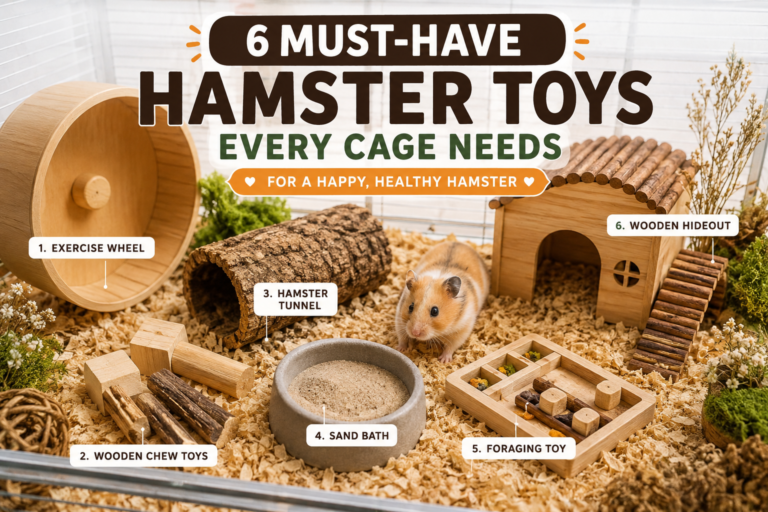
Turning your syrian hamster cage into a lively home needs more than walls. It’s crucial to add the right items inside. These items help your hamster stay healthy and happy by letting it dig, run, and nest.
Choosing the Right Size Exercise Wheel
Finding the perfect wheel is key among syrian hamster cage accessories. Syrian hamsters need a wheel that’s at least 10 to 12 inches wide. A smaller wheel can hurt their back.
Chronic spinal strain can cause serious health problems. Always pick a solid-surface wheel. Wire wheels can hurt their tiny feet.
Safe Bedding Materials and Burrowing Depth
Hamsters spend a lot of time in their bedding. Make sure it’s at least 6 to 8 inches deep for burrowing. Stay away from aspen wood or hay because they’re too rough. They can hurt your hamster’s eyes and face.
Go for soft, paper-based bedding instead. It’s safe and comfy for your hamster to tunnel in.
Hideouts and Multi-Chamber Houses
Hamsters feel safe in dark, hidden spots. A multi-chamber house is great because it looks like a real burrow. It has different areas for sleeping, eating, and waste, keeping the cage clean.
| Accessory Type | Primary Benefit | Safety Requirement |
|---|---|---|
| Exercise Wheel | Physical fitness | Solid surface, 10″+ diameter |
| Paper Bedding | Burrowing comfort | Dust-free, soft texture |
| Multi-Chamber House | Stress reduction | No sharp edges or toxic glue |
Optimizing Your Syrian Hamster Cage Setup
You can turn a simple cage into a lively home with the right setup. Arrange the inside carefully to make your pet feel safe and have lots to explore. A well-thought-out syrian hamster cage setup is key to a happy, active pet.
Creating a Naturalistic Habitat Layout
To create a natural feel, mix different textures and heights. Use items like cork logs, grapevine branches, and flat stones for climbing and digging. Variety is key to keep your hamster’s mind active all day.
Put heavy items on the cage’s bottom, not on top of bedding. This stops accidents if your hamster digs under. A well-designed syrian hamster cage lets your pet use every inch of space.
Managing Hygiene and Spot Cleaning Routines
Keeping the cage clean is crucial for your pet’s health. Clean spots every few days to remove soiled bedding and waste. Consistency is the secret to a clean home without stressing your hamster.
A sandbath is great for hygiene. If your hamster uses it as a bathroom, just strain the sand. This is easier than cleaning the whole syrian hamster cage and keeps your pet’s scent marks.
Integrating Enrichment Toys and Foraging Opportunities
Encourage foraging to keep your hamster fit and sharp. Instead of a food bowl, scatter their dry mix in the bedding. This makes them search for food, just like in the wild.
Hide treats in cardboard tubes or puzzle toys for more fun. Adding these to your syrian hamster cage setup offers endless fun. Always change your toys to keep things fresh and exciting for your pet.
Common Mistakes to Avoid When Choosing a Habitat
Choosing the right enclosure is key to your hamster’s happiness. Many owners pick a syrian hamster habitat that’s too small. This can cause stress and health issues.
Why Small Modular Cages Are Often Inadequate
Modular cages seem appealing but often fall short. They’re too small for a hamster’s needs. When a hamster feels trapped, it may show stress by climbing or chewing.
Seeing your hamster try to escape is a clear sign. They need room to move and burrow. Using vertical tubes instead of floor space can make them feel stuck and tired.
The Dangers of Improper Ventilation and Overheating
Good airflow is crucial for a healthy home. Many cages don’t have enough mesh, leading to ammonia buildup. This can cause breathing problems.
Also, solid plastic walls can get too hot in summer. This is dangerous for hamsters, as they can’t cool down. Look for cages with big, screened areas for better air flow.
Avoiding Unsafe Materials and Sharp Edges
Not all materials are safe for pets. Stay away from cages with wire mesh that can hurt. Always inspect your equipment for dangers.
Choose a syrian hamster cage with smooth, durable surfaces. Avoid plastics that break easily. This keeps your pet safe and happy.
Conclusion
Finding the perfect home for your pet is a rewarding journey. It shapes their daily life. A well-planned syrian hamster cage is key to their happiness and activity.
Your choices about space and enrichment affect how they interact. Watch your pet to understand their personality and needs. Small changes can greatly improve their mental stimulation.
Investing in a quality syrian hamster cage shows you care about animal welfare. This builds a strong bond with your pet. Keep focusing on their comfort and safety to keep them happy and healthy for years.