
Essential Syrian Hamster Care Tips for Pet Owners
Bringing a new pet home is a profoundly rewarding experience that fills your space with joy. Choosing a syrian hamster as your companion is special. It lets you build a quiet, meaningful bond with a small but spirited friend.
These solitary creatures thrive with the right environment and attention. With proper hamster care, your furry friend can live a happy life for two to three years. Knowing their specific needs is key to becoming a confident and successful owner.
This guide gives you the knowledge to keep your pet healthy and active. By focusing on these essential habits, you create a safe sanctuary. Here, your companion can truly flourish every single day.
Key Takeaways
- Syrian hamsters typically enjoy a lifespan of two to three years with dedicated attention.
- These animals are solitary by nature and prefer living in their own individual habitats.
- Providing a spacious cage is vital for their physical health and mental stimulation.
- Consistent daily routines help your pet feel secure and comfortable in your home.
- Proper nutrition and clean living conditions are the cornerstones of responsible ownership.
Understanding Your Syrian Hamster
The Syrian hamster is a fascinating creature with a rich history. They are popular pets in the United States. Learning about their background helps you understand their needs.
Natural History and Lifespan
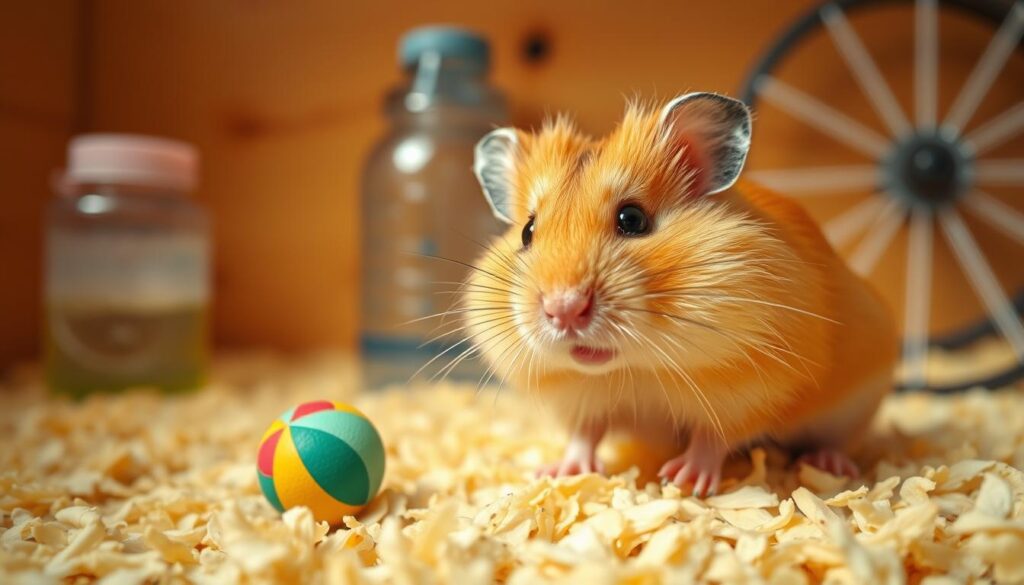
These animals come from Syria and southern Turkey. They live in deep burrows to avoid the heat. As pets, they can live for two to three years with the right care.
Common Syrian Hamster Colors and Varieties
Many people know the classic “golden” color. But, there are many syrian hamster colors today. You can find cream, cinnamon, and black, among others. There’s also a long-haired variety, known as the “teddy bear” hamster.
Typical Syrian Hamster Behavior and Temperament
It’s important to understand syrian hamster behavior for a happy pet. They are solitary and must live alone. They are most active at night. Adults are 5–7 inches long and weigh 4 to 10 ounces.
Knowing these syrian hamster facts prepares you for your pet’s arrival. The table below shows what makes them different from other hamster breeds.
| Characteristic | Typical Range |
|---|---|
| Adult Length | 5 to 7 inches |
| Adult Weight | 4 to 10 ounces |
| Social Preference | Strictly Solitary |
| Activity Cycle | Nocturnal |
Creating the Perfect Habitat
Creating a cozy home is key to caring for your new pet. A well-made enclosure lets your pet act naturally while staying safe. By picking the right materials and layout, you help your pet thrive.
Choosing the Right Cage Size and Material
A syrian hamster needs lots of room to move. Make sure their cage has at least 450 square inches of floor space. They are bigger than other hamsters and prefer wide spaces over tall ones.
Choose easy-to-clean, escape-proof materials. Glass tanks or top-notch plastic bins are better than wire cages. Always ensure the habitat has proper ventilation to keep the air fresh.
Selecting Safe Bedding and Substrate
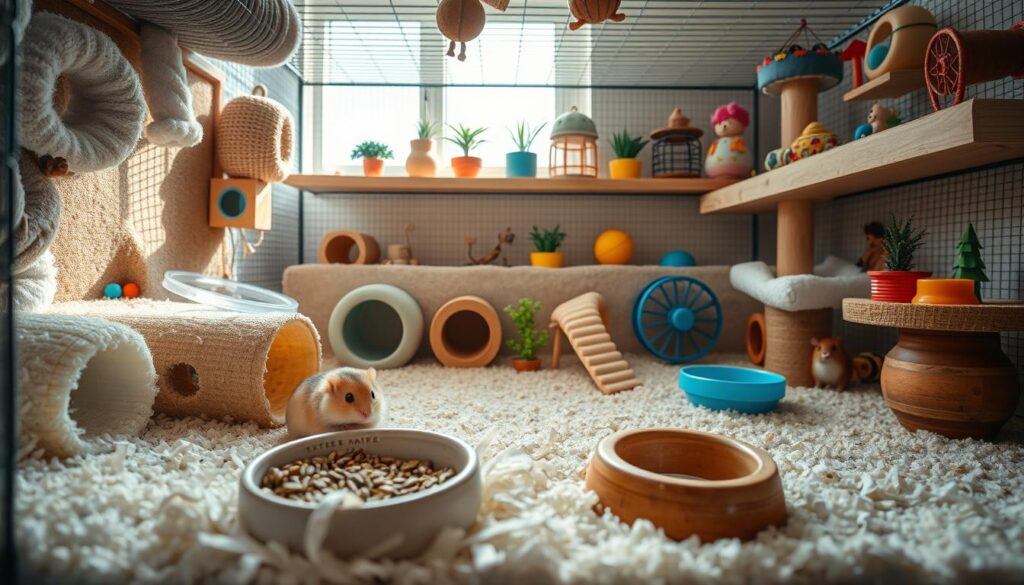
What your pet walks on is crucial. Go for dust-free paper-based bedding that’s soft and safe. Stay away from cedar or pine shavings, as they can harm your pet’s health.
Deep bedding is important for burrowing. Aim for 6 inches deep in one corner. This lets them build tunnels, which boosts their happiness.
Essential Cage Accessories and Enrichment
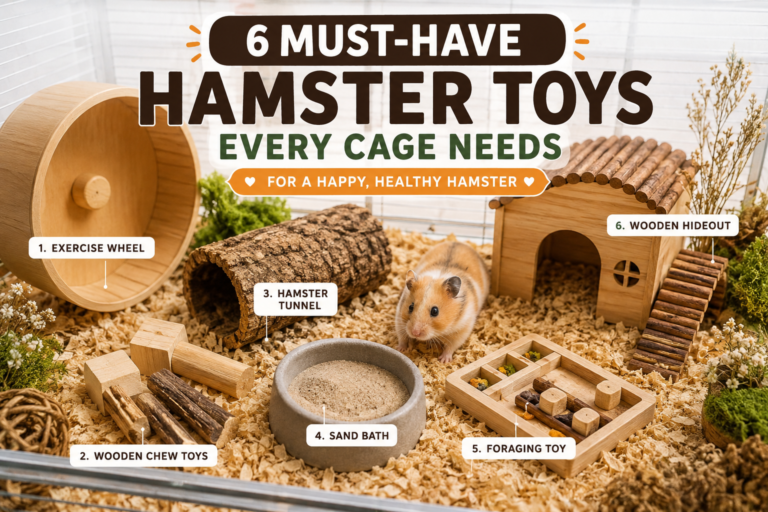
Keeping your pet happy and active is key. Change toys often to keep things interesting. A mix of textures and materials keeps them busy all night.
“Enrichment is not a luxury; it is a fundamental requirement for the psychological health of small mammals in captivity.”
Exercise Wheels and Their Importance
A solid-surface exercise wheel is a must-have. Choose one that’s at least 8 inches in diameter. This size prevents back injuries from running.
Hideouts and Burrowing Areas
Every syrian hamster needs a quiet, dark spot for stress or sleep. Offer many hideouts, like wooden houses or ceramic caves. These spots are safe havens for food and rest.
| Feature | Recommended Type | Benefit |
|---|---|---|
| Floor Space | 450+ sq inches | Prevents stress |
| Bedding | Paper-based | Safe burrowing |
| Wheel | 8+ inch solid | Spinal health |
| Hideouts | Wooden/Ceramic | Security |
Nutritional Requirements for a Healthy Syrian Hamster
Your syrian hamster needs you to give them a balanced diet every day. A good hamster diet is key to their health and happiness. By choosing the right foods, you can keep your pet healthy and active for a long time.
Balanced Commercial Pellets and Seed Mixes
Start with high-quality commercial pellets as the main part of their diet. These pellets have all the vitamins and minerals your pet needs. They should make up about 75% of what they eat each day.
Adding a good seed mix can also be helpful. Make sure it’s fresh and doesn’t have too much dust. This mix helps your pet get all the nutrients they need to stay healthy.
Safe Fresh Fruits and Vegetables
Fresh fruits and veggies add variety and moisture to their diet. Give them small amounts of washed veggies like broccoli, carrots, or cucumber a few times a week. Always take out any uneaten food after 24 hours to keep the cage clean.
“Proper nutrition is not just about filling the bowl; it is about providing the specific building blocks that allow a small animal to thrive in a captive environment.”
Treats and Protein Supplements
Treats are a great way to bond with your syrian hamster. You can give them small pieces of plain, cooked chicken or a tiny bit of hard-boiled egg. But remember, treats should not replace their main diet of pellets.
| Food Category | Safe Options | Toxic/Avoid |
|---|---|---|
| Vegetables | Carrots, Broccoli | Raw Potatoes |
| Fruits | Apples (no seeds) | Citrus Fruits |
| Extras | Cooked Chicken | Chocolate |
Hydration Needs and Water Bottle Maintenance
Keeping your syrian hamster hydrated is just as important as feeding them. Make sure they always have access to clean water. Use a drip-style water bottle and check the nozzle every day to make sure it’s working right.
It’s also important to clean the water bottle at least once a week. Scrub the inside and the cap to keep the water fresh. Keeping the water bottle clean is a simple but important part of caring for your pet.
Essential Syrian Hamster Care Tips for Daily Maintenance
Your syrian hamster needs a clean and safe home every day. Keeping their space clean helps them stay healthy and happy. Taking good care of them strengthens your bond.
Establishing a Cleaning Routine
Having a regular cleaning schedule makes your pet feel safe. A clean cage prevents bad smells and germs that can harm their health.
Spot Cleaning Versus Deep Cleaning
Every day, do a quick clean to keep the cage fresh. Remove uneaten food and clean dirty spots in the bedding.
Deep cleaning is needed every few weeks. Change most of the bedding and clean the cage walls with a safe cleaner. Consistency is key for a healthy home.
Handling and Socialization Techniques
Building trust with your syrian hamster takes patience and a gentle touch. Start by letting them sniff your hand while it’s still in the cage.
Don’t grab or scare your hamster. This can make them afraid. Once they’re comfortable, you can give them treats to build a positive bond. Always be gentle when interacting with them.
Temperature and Environmental Control
Your pet is sensitive to extreme temperatures. Keep their cage in a quiet spot, away from sunlight and cold air. This ensures the best hamster care.
- Keep the room temperature between 65°F and 75°F.
- Don’t place the cage near loud appliances or busy areas.
- Check humidity levels to avoid damp or moldy bedding.
By managing these factors, you create a safe space for your hamster. A stable environment helps them stay active and healthy.
Monitoring Health and Behavior
Watching your pet closely is key for any small animal owner. This helps spot problems early, before they get worse.
Signs of a Healthy Hamster
A syrian hamster should be full of energy and curious. Look for bright, clear eyes and a clean, dry coat. It should not have mats or bald spots.
Their breathing should be quiet and steady. A healthy hamster eats well and loves to explore.
Identifying Common Health Issues
Even with great care, pets can get sick. Respiratory infections show as nose or eye discharge. wet tail is a serious issue with watery diarrhea and tiredness.
Watch how they groom themselves. Changes in syrian hamster behavior, like too much scratching or hiding, might mean skin problems or pain.
When to Consult an Exotic Animal Veterinarian
Some health issues need a vet. If your pet is very tired or won’t eat for more than a day, see a vet.
Annual wellness exams help catch problems early. Call a vet right away if your pet is in a lot of pain, bleeding, or can’t move well.
Managing Stress and Nocturnal Activity
It’s important to know hamsters are night animals. Keep quiet and don’t disturb them during the day.
Do your interactions and cleaning in the evening. This is when they are most active. It helps you bond and keeps them calm.
Conclusion
Bringing a syrian hamster into your home is the start of a special journey. Your dedication to caring for your hamster sets the stage for a happy and healthy life. It’s a big responsibility, but it’s also incredibly rewarding.
Being consistent is key in your daily routine. Small changes in how you interact with your hamster can make a big difference. Your patience will pay off as your hamster becomes more comfortable around you.
It’s important to get to know your hamster’s personality. Each syrian hamster has its own likes and dislikes. Tailoring your care to these unique needs will strengthen your bond.
High-quality care leads to years of joy and companionship. Keep learning about new ways to keep your hamster active and curious. Your hard work ensures your furry friend thrives every day.
Sharing your experiences with others can be very helpful. It lets you learn from others and stay up-to-date with the latest products. Watching your pet grow and flourish is a truly rewarding experience.