Syrian Hamster Cage Buying Guide for US Pet Owners
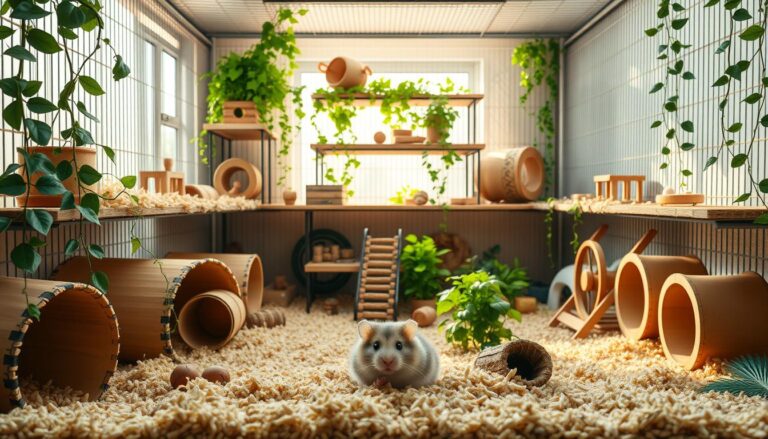
Getting a new furry friend is an exciting milestone. You want to give them the best life, starting with a great home. Since Syrian hamsters are solitary, they need you to create a safe, stress-free place for them to thrive.
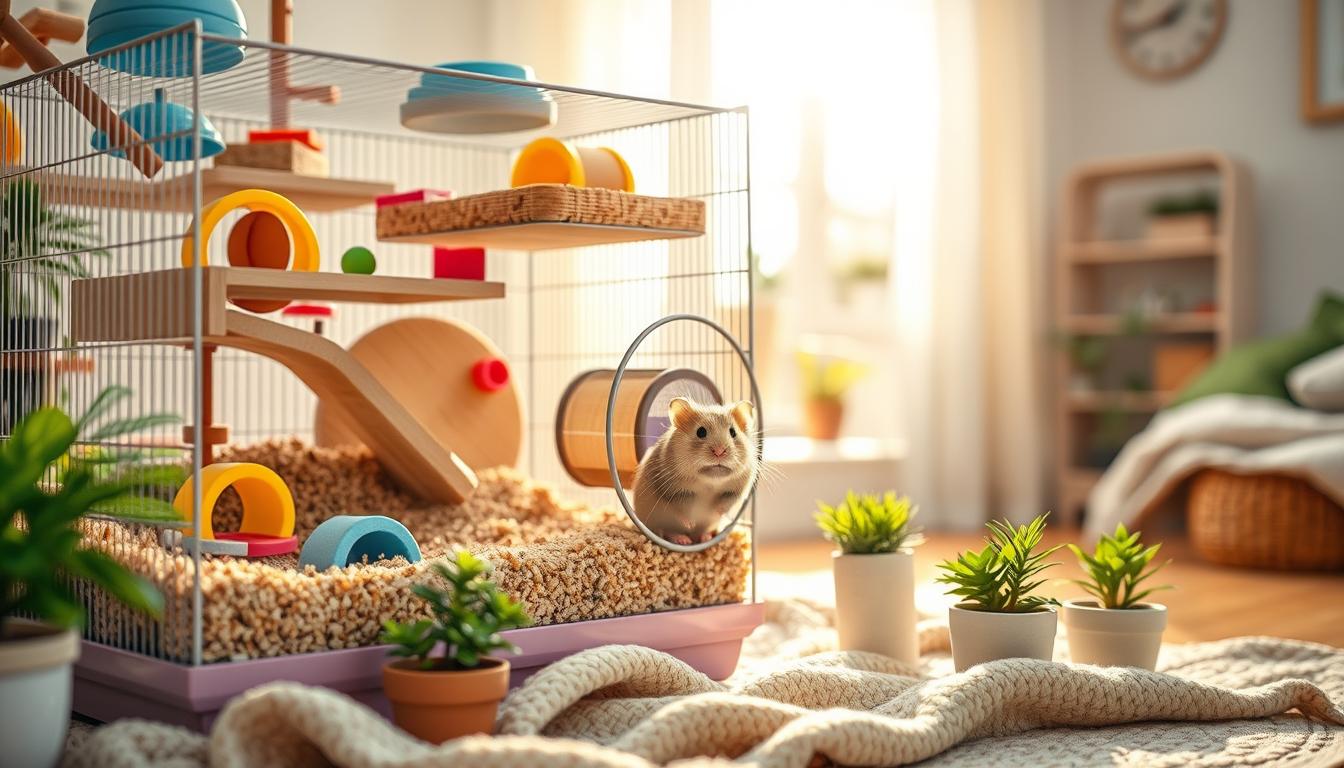
Finding the ideal Syrian Hamster Cage is key for your pet’s health. A small or poorly made cage can cause stress and health problems. Knowing their needs helps keep your pet happy, active, and comfortable for years.
Key Takeaways
- These pets are strictly solitary and require their own individual living space.
- Choosing the right habitat is the most important factor for your pet’s long-term well-being.
- Proper space prevents stress and promotes natural behaviors like burrowing and nesting.
- An ideal setup must prioritize floor space over vertical height for better movement.
- Investing in quality housing early saves you from costly upgrades and health issues later.
Understanding the Requirements for a Syrian Hamster Cage
Getting the right home for your Syrian hamster is key. They are very active and need a spacious Syrian Hamster Cage to play and explore. Without enough space, they might get stressed or feel tired.
Minimum Floor Space Recommendations
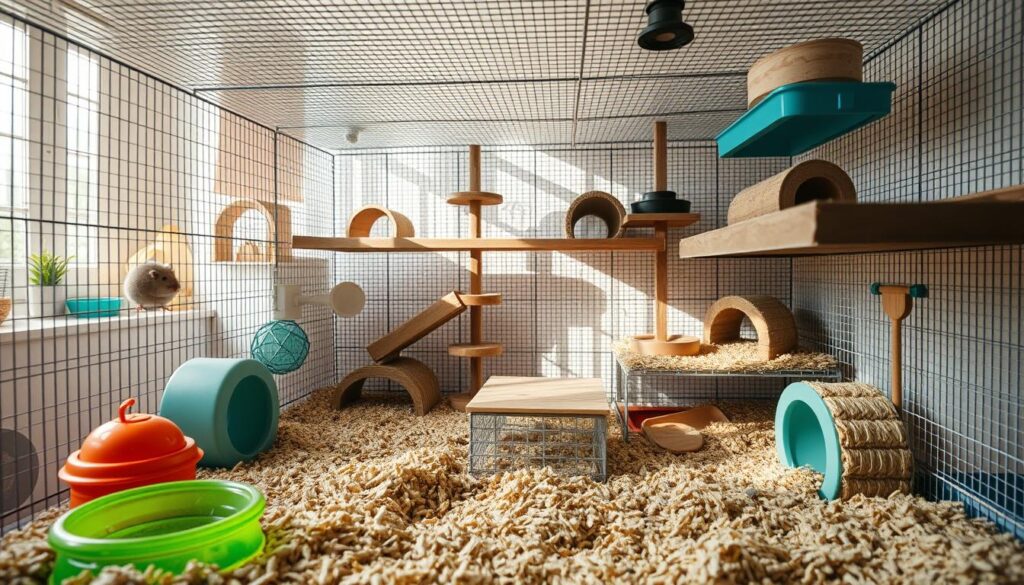
When looking for a large Syrian Hamster Cage, focus on the floor area. Syrian hamsters love to run on the ground, not climb. They need at least 450 to 600 square inches of floor space to stay active.
Remember, a bigger cage lets you add bigger exercise wheels and more hiding spots. A small cage limits the fun things you can add, which hurts your hamster’s happiness.
The Importance of Vertical Space and Burrowing Depth
Vertical height is important for deep bedding. Syrian hamsters love to dig and make tunnels. Make sure your cage is deep enough for 6 to 10 inches of bedding.
This depth lets your hamster dig and burrow naturally. Deep bedding also keeps their tunnels safe from collapse while they sleep or hide.
Ventilation and Airflow Considerations
A good ideal Syrian Hamster Cage has great air flow to stop ammonia buildup. Bad air can cause serious lung problems. Don’t choose cages with solid walls on all sides, as they trap moisture and smells.
Look for cages with wire mesh or vents. Good air flow keeps your hamster’s air fresh and clean, making their home healthy and smell-free.
Essential Features of a High-Quality Syrian Hamster Cage
A high-quality Syrian Hamster Cage needs certain features to keep your pet safe and happy. The right habitat protects your hamster from accidents and ensures a safe home.
Secure Latching Mechanisms to Prevent Escapes
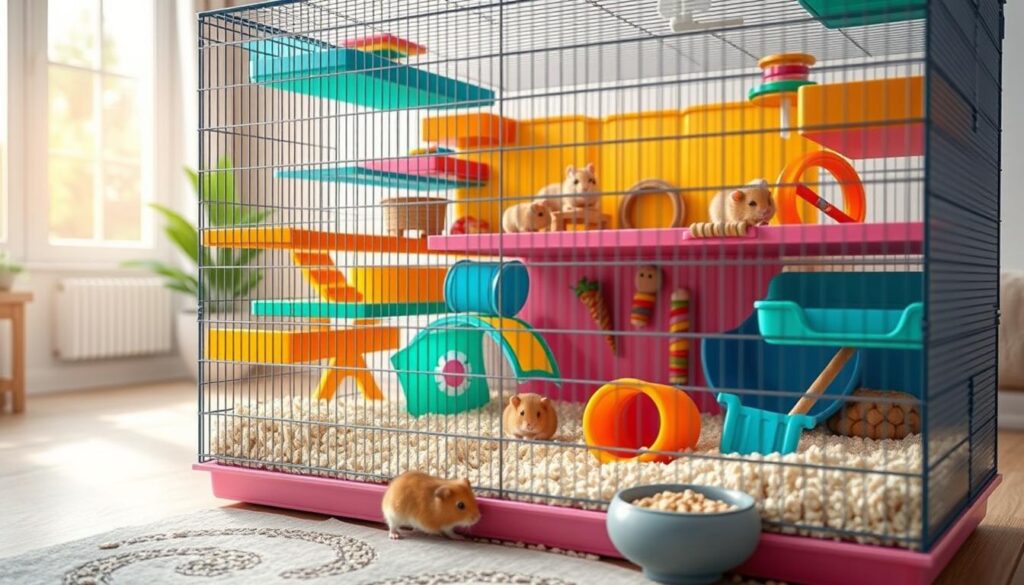
Hamsters are known for escaping, squeezing through tiny gaps. Your Syrian Hamster Cage must have strong, multi-point locks. Stay away from cages with simple lids that hamsters can easily open.
Material Durability and Non-Toxic Construction
Choosing a durable Syrian Hamster Cage means picking materials that can handle chewing. Go for glass, thick acrylic, or powder-coated metal wire without lead or zinc. These materials last long and are safe if your hamster chews on them.
Ease of Cleaning and Maintenance Access
A spacious Syrian Hamster Cage is great if you can clean every corner easily. Cleaning should be easy, so look for designs that make it simple.
Removable Trays for Quick Spot Cleaning
Models with deep, removable trays are popular. They let you change bedding without disturbing the whole cage. This makes them an affordable Syrian Hamster Cage option in terms of time and effort.
Wide Door Openings for Easy Handling
Large, front-facing doors are key for stress-free interaction. They make it easy to bond with your pet or clean the cage. The table below shows important features to look for in a hamster cage.
| Feature | Why It Matters | Recommended Standard |
|---|---|---|
| Latching System | Prevents escapes | Multi-point metal lock |
| Base Material | Durability | Chew-resistant plastic/glass |
| Access Points | Cleaning efficiency | Wide front or top doors |
| Tray Design | Sanitation | Deep, removable slide-out |
Comparing Popular Syrian Hamster Cage Styles
Finding the best Syrian Hamster Cage means looking at different designs. Each style has its own benefits, like space, budget, and your hamster’s needs. You need to think about burrowing and exercise.
Glass Aquariums and Terrariums
Glass tanks are popular for their clear view and deep bedding. A durable Syrian Hamster Cage made of glass stops your pet from chewing bars. This is a big plus compared to other designs.
But, glass tanks are heavy and hard to move with substrate inside. Make sure the tank has a mesh lid for air and to keep your hamster safe.
Multi-Level Wire Cages with Solid Flooring
Wire cages are great for air flow, keeping the environment fresh. When looking for a high-quality Syrian Hamster Cage, choose ones with solid levels. This is important for your pet’s comfort.
Stay away from wire floors because they can hurt your hamster’s feet. Solid floors let your pet walk without getting their paws caught.
Custom Bin Cages and DIY Enclosures
Custom bin cages are a budget-friendly option. You can make one from a large plastic storage tote. This gives your hamster room to dig and play.
These setups are light and easy to change up. You can add ventilation and secure latches. They’re a smart way to provide your hamster with the space they need.
Modular Plastic Habitats and Their Limitations
Many colorful modular systems are marketed to new owners. But, they often don’t meet basic needs. They’re usually too small and lack depth for burrowing.
The narrow tubes can be a safety risk if your hamster gets too big. It’s better to get a large Syrian Hamster Cage with an open floor plan. This avoids the dangers of plastic tunnels.
| Cage Style | Best For | Key Advantage |
|---|---|---|
| Glass Tank | Deep Burrowing | Visibility |
| Wire Cage | Ventilation | Easy Access |
| Bin Cage | Budget | Customization |
Tips for Setting Up Your Syrian Hamster Cage
Creating the perfect home for your hamster starts with knowing their needs. Focus on their natural behaviors to make a comfortable Syrian Hamster Cage. This will help your pet thrive in its new home.
Selecting the Right Bedding for Burrowing
Syrian hamsters love to burrow. They need deep substrate to feel safe. Aim for six to eight inches of paper-based bedding for tunnels.
Choose dust-free and absorbent materials. Stay away from cedar or pine shavings to avoid health problems.
Placement Strategies for Optimal Temperature and Quiet
The cage’s location affects your hamster’s stress. Place it in a room with a stable temperature. Avoid direct sunlight or drafty windows.
Keep the cage in a quiet spot. A comfortable Syrian Hamster Cage should be on a sturdy, level surface. This prevents vibrations.
Integrating Enrichment and Exercise Equipment
Exercise is key for your hamster’s health. Offer various toys and climbing structures. This keeps them active at night.
Choosing the Correct Wheel Size for Syrian Hamsters
Choosing the right wheel is crucial. Make sure it’s at least 28 cm in diameter. This ensures your hamster runs safely.
A small wheel can hurt your hamster’s back. Always choose a solid-surface wheel to avoid injuries.
Adding Hides and Tunnels for Security
Hamsters need hiding spots to feel safe. Add wooden or ceramic hides for security.
Cork logs and cardboard tunnels mimic natural burrows. They encourage exploration and make your pet feel secure in their comfortable Syrian Hamster Cage.
Conclusion
Your journey toward responsible pet ownership starts with the environment you build. Choosing the best Syrian Hamster Cage is key. It sets the stage for a long and rewarding friendship with your furry friend.
A good Syrian Hamster Cage is crucial for your pet’s health and happiness. It should be made of quality materials and have enough space. This ensures your pet feels safe and active every day.
Keep a close eye on your hamster as they get used to their new home. Small changes, like new bedding or toys, can greatly improve their happiness.
Putting time and effort into the right setup will bring years of joy. Share your experiences with others or seek advice from local animal welfare groups. Your hard work will create a wonderful life for your pet.