Niteangel Hamster Cage Tips to Keep Your Hamster Happy
You see your hamster as a beloved family member. Watching them play is incredibly joyful. But, a simple wheel is not enough for their happiness. True well-being comes from the environment you create for them.
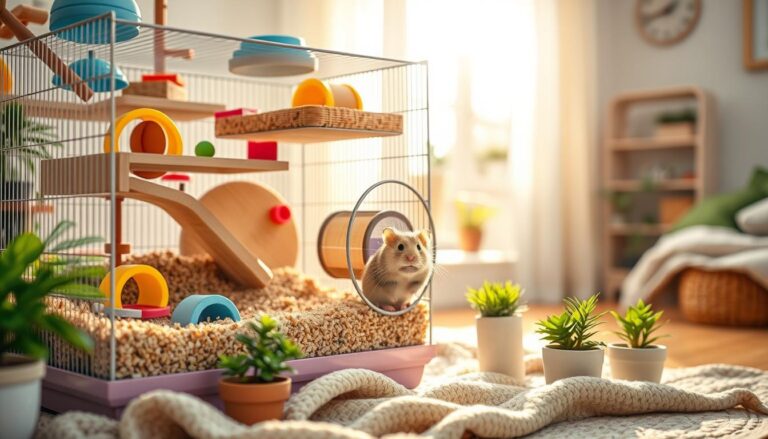
Choosing a top-notch niteangel hamster cage is key. A big, safe space lets them do natural things like burrow and forage. This lowers their stress. By focusing on their home, you build a stronger bond with them.
Building a rich home life is crucial for pet owners. The right features keep your hamster active and sharp every day.
Key Takeaways
- A high-quality habitat is essential for your pet’s long-term mental and physical health.
- Natural behaviors like burrowing are vital for reducing stress in small pets.
- Spacious enclosures provide the necessary room for exercise beyond just a wheel.
- Proper habitat design strengthens the emotional bond between you and your companion.
- Focusing on environment quality prevents boredom and promotes a longer, happier life.
Setting Up Your Niteangel Hamster Cage for Success
Getting a top-rated hamster cage is key to your hamster’s happiness. The best hamster cage is durable and lets you see your pet’s natural actions.
Choosing the Right Size for Your Species
When buying a hamster cage for sale, think about your hamster’s needs. Syrian hamsters need more space than dwarfs to avoid stress and fights.
A good niteangel cage review shows how big cages offer deep bedding and burrows. This space is vital for your hamster’s natural activities like foraging and nesting.
Assembling the Habitat Safely
Setting up your niteangel hamster cage is easy and makes a strong home. Just follow the instructions to make sure everything fits right and stays stable.
This affordable hamster cage is built to last, making it a great choice for any hamster lover. Once set up, it’s a safe and spacious place for your pet to thrive.
Optimizing Bedding Depth for Natural Burrowing
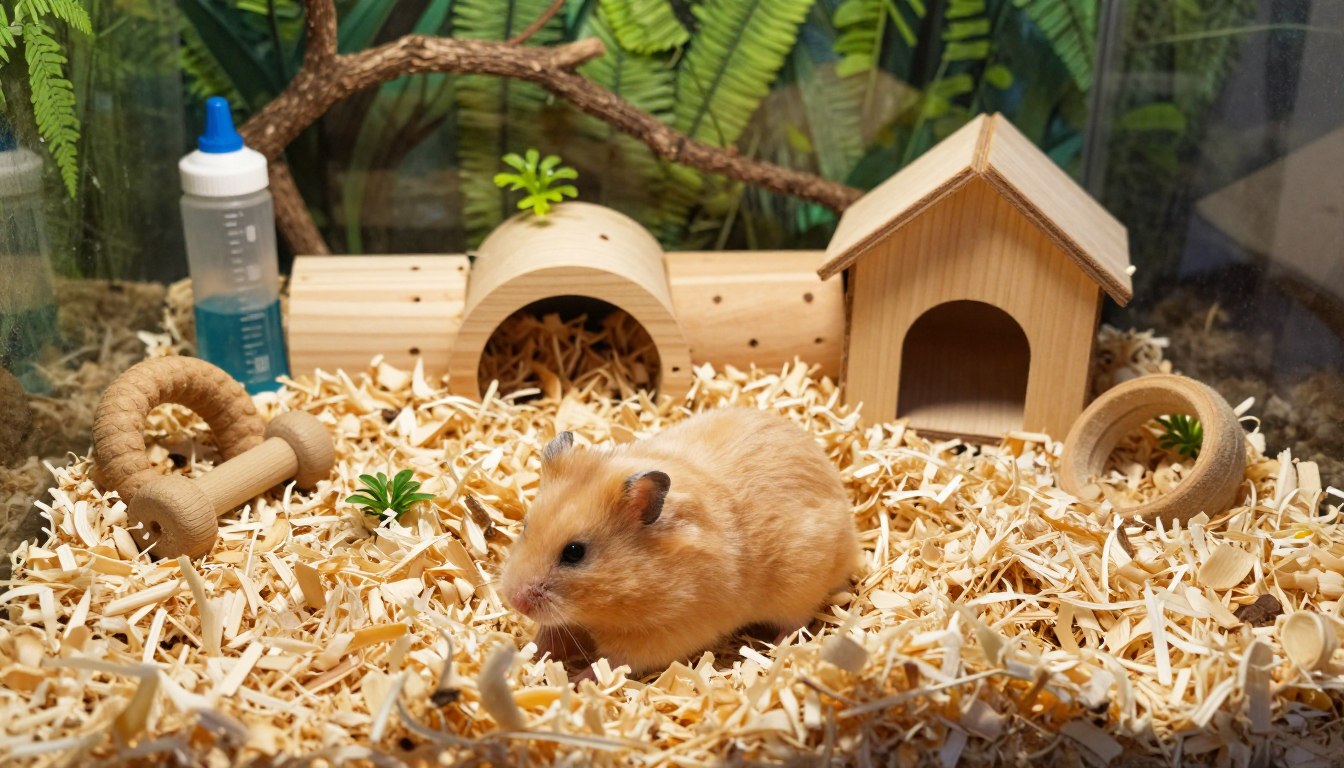
A good hamster habitat cage needs the right bedding depth. This depth lets your hamster dig and build tunnels. It’s key for reducing stress and encouraging natural behavior.
Selecting Safe Substrate Materials
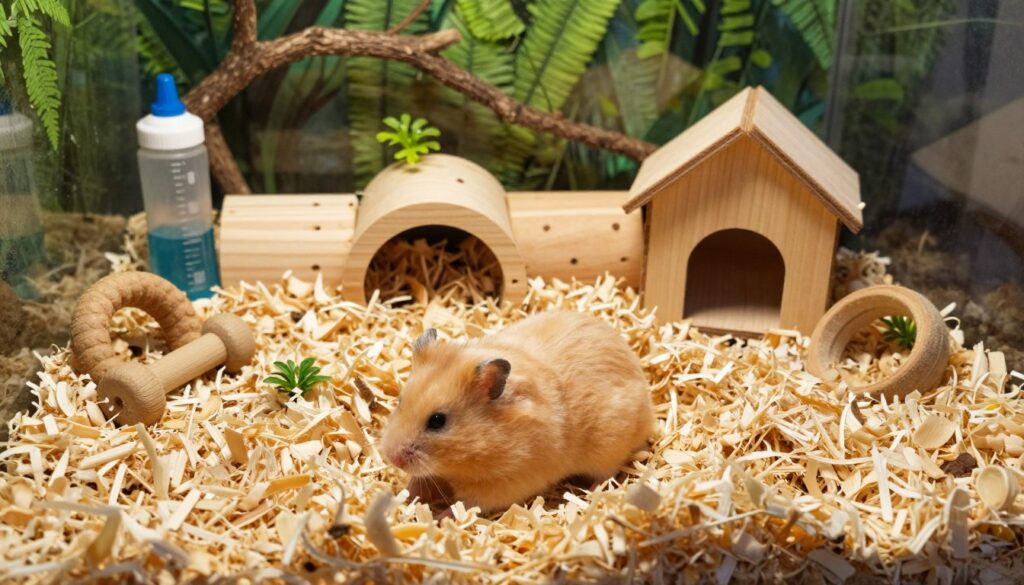
Choosing the right bedding is crucial. Go for unscented, paper-based substrates made for small animals. These are gentle on your hamster’s paws and help tunnels stay in place.
Stay away from cedar or pine shavings because they can harm your pet’s breathing. Opt for dust-free, absorbent paper bedding instead. Make sure the product is free from harmful additives or scents.
Creating Stable Burrowing Tunnels
To keep tunnels stable, mix different bedding textures. Adding orchard grass or hay can help. This makes the tunnels stronger than using one material alone.
Pack the bedding down gently as you fill the cage. This layering method gives tunnels the strength they need. It makes your hamster’s home a safe place to explore.
Preventing Bedding Collapses
Be careful not to let bedding collapse. Don’t put heavy items like ceramic hides on top of loose bedding. They can shift and trap your pet. Place heavy items on a stable platform or directly on the cage floor.
Watch for signs of unstable tunnels. If you see bedding falling, add more and compress it. This keeps your hamster habitat cage safe and fun for your pet.
Strategic Placement of Essential Hamster Cage Accessories
To make the most of your space, plan where to put your hamster cage accessories carefully. Arrange them in a way that lets your hamster explore, burrow, and play freely. Make sure to use stilts for heavy items to keep your hamster safe while digging.
Positioning the Multi-Chamber Hideout
The multi-chamber hideout is key to your niteangel hamster cage. Place it in a corner to give your hamster a sense of safety, like their natural burrows. Make sure the entrance is clear to avoid blockages and ensure easy access for your pet.
“A well-designed habitat is not just a cage; it is a sanctuary that encourages natural behaviors and reduces stress for your small companion.”
Selecting the Correct Wheel Size
Choosing the right wheel is crucial for your hamster’s health. A wheel that’s too small can hurt their back over time. Choose a larger diameter to keep their back straight while they run.
- Syrian hamsters need a wheel at least 10 to 12 inches in diameter.
- Dwarf hamsters do well with a wheel size of 8 to 10 inches.
- Make sure the surface is solid and non-slip to protect their paws.
Ensuring Silent and Smooth Operation
A quiet wheel is important for both you and your hamster, especially at night. Look for hamster cage accessories with ball-bearing mechanisms for smooth, silent running. If you hear squeaking, check the axle to fix it and keep your niteangel hamster cage quiet.
Maintaining Proper Ventilation and Temperature Control
Keeping the right climate is key for a happy small pet cage. Hamsters are very sensitive to their environment. So, it’s important to keep their space stable all year round.
Stable conditions help avoid breathing problems and make your pet feel safe.
Managing Airflow in Enclosed Habitats
Air circulation is crucial for your hamster habitat cage. Make sure the cage lets in fresh air but doesn’t let in strong winds. Don’t put heavy things on top that could block air.
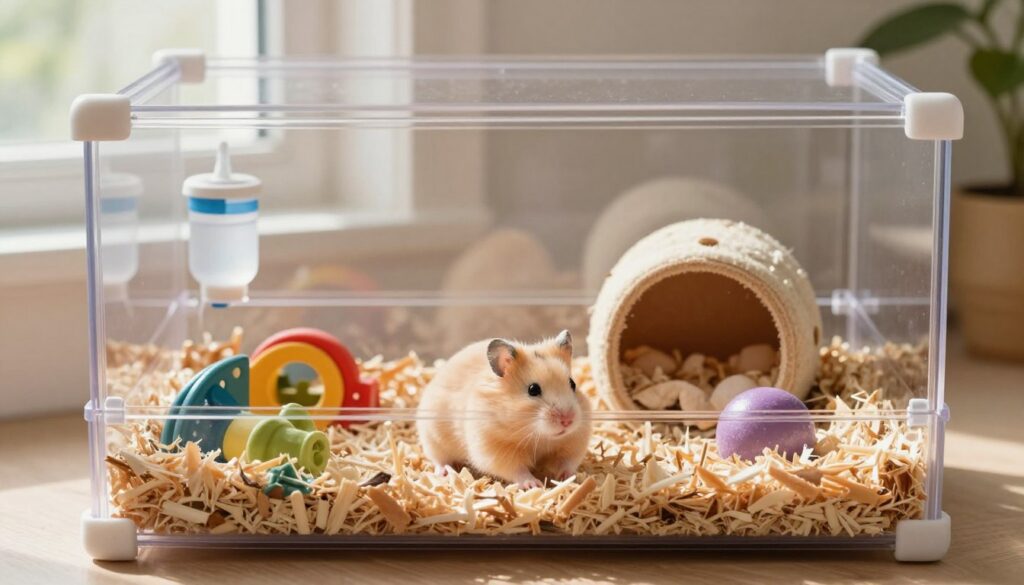
Condensation on walls means air is not moving well. Clearing clutter around the cage helps. Fresh air keeps your pet’s home clean and smelling good.
Monitoring Ambient Room Temperature
Hamsters like temperatures between 65 and 75 degrees Fahrenheit. Watch the room temperature closely, especially when it changes. A digital thermometer near the cage gives you the exact temperature.
If it gets too hot, move the cage to a cooler spot. In winter, make sure the room stays warm enough. Consistency is key to keep your pet stress-free.
Avoiding Direct Sunlight and Drafts
Never put your hamster habitat cage in direct sunlight. Sunlight through windows can make it too hot, too fast. Choose a spot with stable, indirect light.
Also, keep the cage away from air conditioning vents or drafty windows. Sudden temperature changes can harm your hamster’s health. A stable location means your pet can rest and play comfortably.
Enrichment Strategies to Prevent Boredom
You can make your pet’s life more exciting by adding new challenges and sensory experiences. A static habitat can make your pet feel tired. So, it’s important to update your hamster cage accessories regularly. This keeps your hamster curious and active every day.
Rotating Toys and Chew Items
Hamsters love to explore new things. Instead of keeping the same toys for months, change them every few weeks. This makes their home feel fresh and fun.
Try scatter feeding to make mealtime exciting. Hide treats or seeds in the bedding for your hamster to find. This encourages natural foraging. Also, add puzzles or mazes for mental stimulation.
Incorporating Sand Baths for Hygiene
A sand bath is more than a grooming tool; it’s a vital experience for your hamster. They roll in sand to clean their fur and keep it healthy. Add a sand bath to your hamster cage accessories for a natural play area.
Choosing the Right Sand Texture
When picking sand, safety is key to avoid breathing problems. Choose calcium-free, dust-free sand made for small animals. Stay away from fine powders or chinchilla dust, as they can harm your hamster’s lungs. Opt for a coarser, natural sand for safe digging and grooming.
Routine Cleaning and Maintenance Practices
Keeping your small pet cage clean is key for your pet’s health and happiness. A regular cleaning schedule makes your hamster feel safe. It also stops bacteria from growing and keeps your pet calm.
Spot Cleaning Versus Deep Cleaning
Spot cleaning is when you remove soiled bedding or waste each day. It’s highly recommended because it keeps most of the bedding and tunnels your hamster made. This way, the small pet cage stays fresh without stressing your pet.
Deep cleaning is a deeper clean that should be done less often. It involves replacing most of the bedding and cleaning the cage’s surfaces. Since it removes familiar smells, it can be stressful. So, do it only when it’s really needed.
Managing Waste Without Stressing Your Pet
Focus on cleaning high-traffic areas where your hamster usually goes to the bathroom. Use a small scoop to quickly remove damp spots. This keeps the small pet cage clean and prevents bad smells.
Maintaining a Consistent Scent Profile
Hamsters use their sense of smell to find their way and feel safe. When cleaning, leave a bit of the old, clean bedding to keep familiar smells. This gentle approach helps your hamster recognize its home after cleaning.
Conclusion
Creating a safe space for your hamster is a journey that brings you closer together. It’s more than just a place to live. It’s where your pet can be themselves and feel safe.
Choosing the right hamster cage is key to a happy life for your pet. Think of it as a place that grows with your hamster. See how they like different parts to learn what they need.
Small changes can make a big difference in your hamster’s day. A good hamster cage is strong, big, and easy to change. Your hard work makes your hamster’s life better. It’s fun to watch them enjoy the home you’ve made for them.