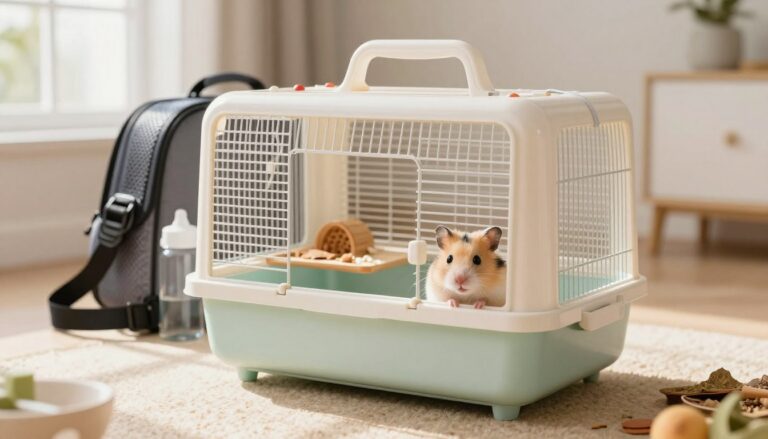
Syrian Hamster Cage: The Ultimate Setup Guide for a Happy and Healthy Hamster
Bringing a new pet into your home is an exciting journey. To ensure your furry friend thrives, you must prioritize their living environment. A high-quality syrian hamster cage acts as the foundation for your companion’s physical health and long-term happiness.
Designing the perfect habitat is more than just picking a box; it is about creating a sanctuary. A thoughtful syrian hamster cage setup prevents common behavioral issues and reduces stress-related illnesses. By investing time in the initial design, you provide a space where your pet feels secure and active.

When your pet has enough room to explore, burrow, and play, they lead a much more fulfilling life. Proper planning today saves you from costly adjustments later. Let’s explore how to build the ideal home for your small friend.
Key Takeaways
- A spacious habitat is essential for physical and mental health.
- Proper design helps prevent stress and common behavioral problems.
- Investing in quality equipment early saves time and money.
- Burrowing space is vital for natural instincts.
- A secure environment fosters a stronger bond with your pet.
Understanding the Requirements for a Proper Syrian Hamster Cage
Creating the perfect home for your pet starts with understanding the fundamental needs of a Syrian hamster. A well-designed habitat is the foundation of your hamster’s well-being and daily comfort. By focusing on space and safety, you ensure your companion thrives in its new environment.

Minimum Size Standards for Syrian Hamsters
When selecting a syrian hamster cage, floor space is your most critical consideration. These active animals require a minimum of 450 to 600 square inches of unbroken floor space to explore and exercise effectively.
It is important to note that vertical height is secondary to horizontal surface area. A larger syrian hamster cage size allows for deeper bedding, which encourages natural burrowing behaviors. Providing ample room prevents stress and helps your hamster maintain a healthy activity level.
The Importance of Proper Ventilation and Security
Maintaining high-quality syrian hamster cage ventilation is essential for your pet’s respiratory health. Poor airflow can lead to the buildup of ammonia from urine, which often causes severe respiratory infections in small rodents.
You must balance this need for fresh air with the requirement for physical security. A cage should be escape-proof while allowing enough air circulation to keep the environment dry and odor-free. Always ensure that any mesh or bars are spaced closely enough to prevent your hamster from squeezing through.
Choosing Between Glass Tanks, Wire Cages, and Bin Cages
Selecting the right material depends on your budget and your desire for customization. Each option offers distinct advantages regarding visibility, weight, and airflow.
| Cage Type | Ventilation | Visibility | Customization |
|---|---|---|---|
| Glass Tank | Low | Excellent | Limited |
| Wire Cage | High | Good | Moderate |
| Bin Cage | Moderate | Fair | High |
Glass tanks provide a clear view of your pet but often struggle with syrian hamster cage ventilation unless a mesh lid is used. Wire cages offer superior airflow but can be noisy if your hamster enjoys climbing. Finally, DIY bin cages are a popular choice because they allow you to maximize your syrian hamster cage size at a very affordable price point.
Selecting the Best Syrian Hamster Cage for Your Pet
Creating a comfortable environment for your Syrian hamster starts with selecting the right foundation. Finding the best syrian hamster cage requires you to balance your available floor space with the specific behavioral needs of your pet. While many options exist, not every enclosure on the market provides the necessary security or room for natural behaviors.

Evaluating Commercial Cage Options
Store-bought enclosures often provide convenience and aesthetic appeal, but they vary significantly in quality. Many commercial cages are marketed as suitable for hamsters despite being far too small for a Syrian’s needs. You should prioritize models that offer a large, unbroken floor space rather than tall, narrow designs.
“A habitat that encourages natural foraging and burrowing is essential for the psychological well-being of a hamster.”
When reviewing commercial options, look for the following features:
- Solid, non-mesh flooring to protect sensitive paws.
- Secure latching mechanisms that prevent escapes.
- Easy access points for daily interaction and cleaning.
Benefits of DIY Bin Cages for Customization
If you are looking for an affordable syrian hamster cage, a custom bin setup is often the superior choice. By using a large, clear plastic storage bin, you can provide significantly more square footage than most expensive retail cages. This syrian hamster cage diy approach allows you to customize the ventilation and layout to suit your specific needs.
The primary advantage of these bins is their depth. You can fill them with several inches of bedding, which is vital for a Syrian hamster to engage in its natural instinct to burrow. This setup is not only cost-effective but also creates a stress-free environment where your pet feels secure and hidden.
Why Multi-Level Cages Require Careful Planning
While vertical space might seem like a great way to expand a syrian hamster cage, it often introduces unnecessary risks. Syrian hamsters are not particularly agile climbers and can easily fall from high platforms. If you choose a multi-level design, you must ensure that the platforms are low and feature guardrails to prevent accidents.
Avoid designs that force your hamster to navigate steep ramps or narrow ledges. Safety should always be your priority when designing the interior layout. By keeping the majority of the living space on a single, expansive level, you minimize the risk of injury while maximizing the usable area for your pet.
Essential Syrian Hamster Cage Accessories for Enrichment
Beyond the enclosure itself, the right accessories transform a simple space into a thriving home. Providing the best syrian hamster cage is only the first step in ensuring your pet remains happy and active. By adding thoughtful items, you encourage natural behaviors like foraging, climbing, and burrowing.

Selecting the Right Size Exercise Wheel
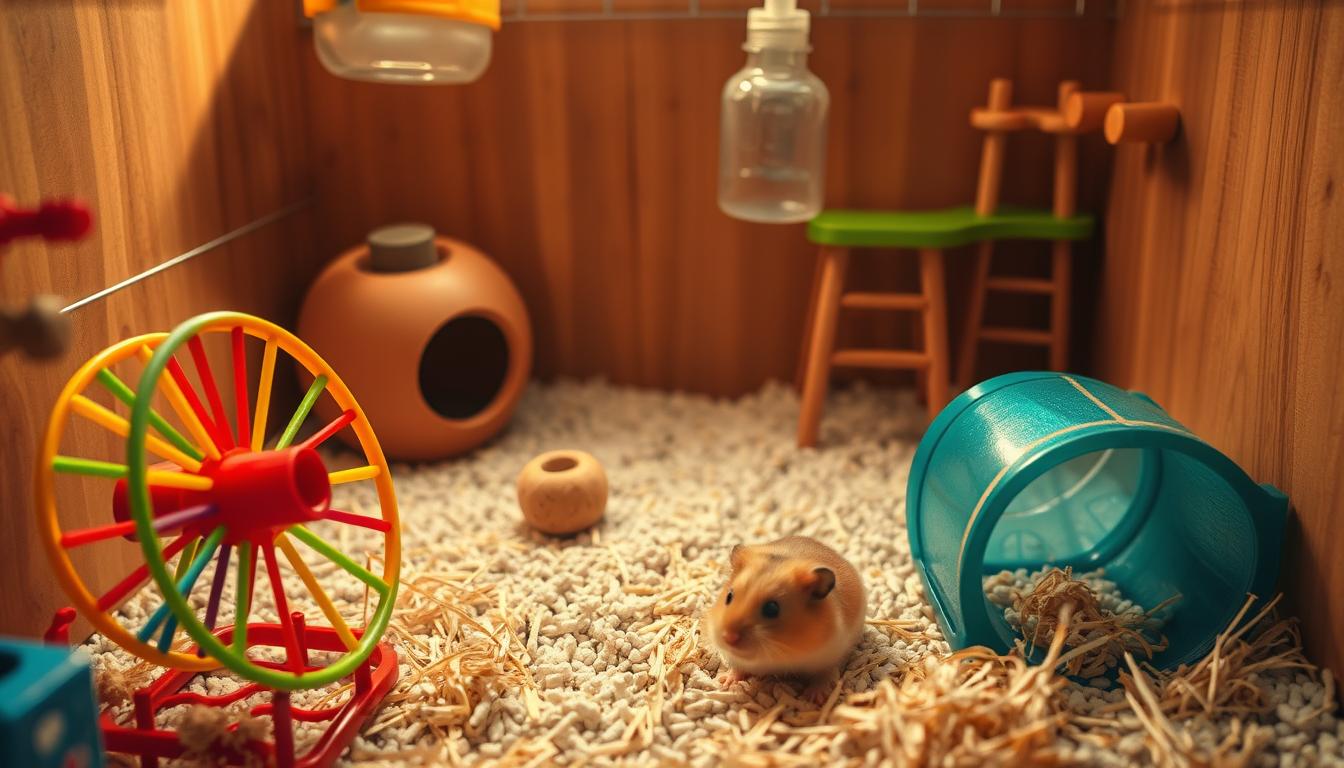
A high-quality wheel is arguably the most important item in your habitat. Syrian hamsters require a solid-surface wheel with a diameter of at least 10 to 12 inches to prevent spinal curvature. If the wheel is too small, your hamster will arch its back while running, which can lead to long-term health issues.
Always choose a model with a solid running surface rather than wire rungs. Wire wheels can trap tiny feet and cause painful injuries. A silent, smooth-spinning wheel ensures your pet gets plenty of exercise without disturbing your sleep at night.
Creating Hideouts and Burrowing Opportunities
In the wild, hamsters spend much of their time in underground tunnels. You can replicate this by providing deep, high-quality bedding and multiple hideouts throughout the enclosure. These spaces offer a sense of security, allowing your pet to retreat when it feels stressed or tired.
Consider using wooden houses, ceramic caves, or even cardboard boxes as temporary shelters. Providing a variety of textures helps your hamster feel safe and comfortable. Remember that the best syrian hamster cage setup includes at least two or three distinct hiding spots to prevent territorial behavior.
Safe Chewing Toys and Enrichment Items
Hamsters have teeth that grow continuously throughout their lives. To keep their dental health in check, you must provide a variety of safe, non-toxic chewing materials. Wooden blocks, apple orchard sticks, and woven grass balls are excellent choices for satisfying their natural instinct to gnaw.
Rotating your collection of syrian hamster cage accessories keeps your pet mentally stimulated. Try hiding small treats inside cardboard tubes or scatter-feeding dry food to encourage foraging. These simple additions make a world of difference in your hamster’s daily life.
Optimizing Syrian Hamster Cage Bedding and Maintenance
A well-maintained habitat is the foundation of a happy life for your furry friend. By focusing on the right materials and a consistent routine, you create a safe space that supports your pet’s natural behaviors. Proper management of your syrian hamster cage setup ensures that your pet remains healthy and stress-free throughout its life.

Choosing Safe and Absorbent Bedding Materials
Selecting the right syrian hamster cage bedding is vital for respiratory health and comfort. You should always prioritize dust-free options, as hamsters have sensitive lungs that can be irritated by fine particles. High-quality paper-based bedding or kiln-dried aspen wood shavings are excellent choices for most owners.
These materials are highly absorbent and hold their shape well, which is essential for burrowing. Hamsters love to dig tunnels, so providing a deep layer of bedding allows them to express their natural instincts. Avoid cedar or pine shavings, as these contain aromatic oils that can be harmful to your pet.
Establishing a Cleaning Schedule for a Healthy Environment
Consistency is the key to a hygienic home. You should aim to remove soiled areas regularly to prevent the buildup of ammonia and bacteria. A predictable routine helps your hamster feel secure, as they are sensitive to sudden changes in their environment.
Keep a simple log or set a weekly reminder to ensure you never miss a maintenance task. A clean syrian hamster cage setup not only smells better but also significantly reduces the risk of skin infections and respiratory issues. Always keep fresh water and food bowls clean as part of your daily checklist.
Managing Spot Cleaning Versus Deep Cleaning
Understanding the difference between spot cleaning and deep cleaning will save you time and reduce stress for your pet. Spot cleaning involves removing wet or soiled bedding from corners or hideouts every few days. This simple habit keeps the habitat fresh without disrupting your hamster’s entire burrowing system.
Deep cleaning should occur every few weeks, depending on the size of the enclosure. During this process, you replace most of the bedding and wipe down the surfaces with a pet-safe cleaner. Always leave a small amount of clean, old bedding in the cage to maintain a familiar scent, which helps your hamster feel at home after the process is complete.
Conclusion
Creating the perfect environment for your Syrian hamster requires a commitment to quality and consistency. Your pet relies on you to provide a space that mimics natural behaviors while keeping them safe from harm.
Focusing on floor space, proper ventilation, and high-quality enrichment materials sets the stage for a long, healthy life. Brands like Niteangel and Kaytee offer reliable products that help you meet these essential standards with ease.
Routine maintenance serves as the backbone of a happy pet. A clean, well-organized cage prevents stress and keeps your hamster active throughout the night. Your dedication to these small details makes a massive difference in the daily well-being of your companion.
Take a moment to evaluate your current setup against these guidelines. Small adjustments often lead to noticeable improvements in your hamster’s energy and curiosity. Share your favorite cage layout tips with other pet owners to help build a community of informed and caring hamster enthusiasts.
FAQ
What is the recommended syrian hamster cage size for a healthy pet?
To ensure your pet has enough room to roam and express natural behaviors, a syrian hamster cage should provide a minimum of 450 to 600 square inches of unbroken floor space. Experts often recommend even larger habitats, such as the Niteangel Vista or a 75-gallon glass aquarium, to prevent stress-related behaviors like bar biting or climbing.
Why is syrian hamster cage ventilation so important?
Proper airflow is critical to prevent the buildup of ammonia from urine, which can lead to serious respiratory infections. If you are using a syrian hamster cage diy bin or a glass tank, you must ensure the lid is made of a breathable mesh to allow for maximum air exchange while keeping your pet secure from other household animals.
What are the best syrian hamster cage options currently on the market?
The best syrian hamster cage models are those that prioritize floor space and base depth for burrowing. Top-rated commercial options include the Savic Hamster Heaven Metro, the Prevue Pet Products 528, and premium wooden enclosures from Niteangel. These models offer a balance of security and visibility that smaller, traditional cages often lack.
How can I create an affordable syrian hamster cage on a budget?
You can easily build an affordable syrian hamster cage by choosing a syrian hamster cage diy approach. By purchasing a large Sterilite or IRIS plastic storage bin (aim for 50 gallons or more) and replacing the center of the lid with galvanized hardware cloth, you create a spacious, deep-base habitat for a fraction of the cost of high-end retail cages.
Which syrian hamster cage accessories are essential for my setup?
Every syrian hamster cage setup must include a solid-surface exercise wheel with a diameter of at least 10 to 12 inches, such as the Silent Runner or Niteangel Dual-Bearing Wheel, to prevent spinal curvature. Other essential syrian hamster cage accessories include multiple hideouts (like those from Trixie), a ceramic sand bath, and various wooden chew toys to keep their teeth healthy.
what is the safest type of syrian hamster cage bedding?
The safest syrian hamster cage bedding is a dust-free, paper-based substrate like Carefresh or Kaytee Clean & Cozy, as these materials hold tunnels well. Alternatively, aspen shavings are a safe wood-based option. Avoid pine or cedar shavings, as the phenols in these woods are toxic to a hamster’s respiratory system.
How should I manage a syrian hamster cage setup for cleaning?
To maintain a healthy syrian hamster cage setup, you should perform daily spot cleaning of the “toilet” corner and the sand bath. Avoid frequent deep cleans, as removing all bedding at once can be highly stressful; instead, replace only a third of the syrian hamster cage bedding every few weeks to keep your pet’s familiar scents intact while ensuring a hygienic environment.