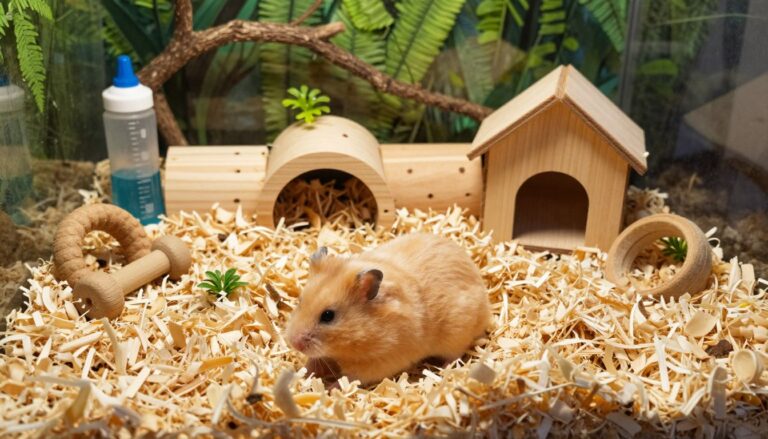

How to Choose the Best Hamster Cage for Your Pet
Getting a new furry friend is an exciting milestone. You want to give them a safe and cozy space. Choosing the best hamster cage is key for their health and happiness.
It’s important to know your pet’s natural habits. Focus on enough floor space and strong materials. This guide will help you pick the right cage for your pet’s needs.
Key Takeaways
- Prioritize floor space to allow for natural burrowing and exploration.
- Choose durable materials that withstand chewing and daily wear.
- Ensure the habitat design supports proper ventilation and hygiene.
- Match the enclosure size to your specific breed’s activity level.
- Create a secure environment that prevents escapes while allowing interaction.
Understanding the Essential Requirements for Hamster Housing
Bringing a hamster home means focusing on their housing needs. Hamsters are naturally solitary creatures and should live alone to avoid fights. The first step is to find the best hamster cage for a stress-free home.
Minimum Floor Space and Vertical Height
Commercial habitats might seem okay, but aim for at least 360 square inches of floor space. This ideal hamster living space lets your pet run and forage naturally. Focus on floor space over height, as hamsters don’t climb well and can fall.
A spacious hamster enclosure is key for your pet’s happiness. Steer clear of tall, narrow cages that limit movement. Choose a wide cage for your hamster to explore comfortably.
Ventilation and Airflow Considerations
Good airflow is vital for a healthy home. Without it, ammonia from urine can cause serious respiratory issues. Make sure the design allows for constant air exchange to keep it fresh.
Stay away from cages with solid walls and few openings. A well-ventilated cage keeps your hamster healthy and comfy. Always check for natural circulation to ensure an ideal hamster living space.
Security Features to Prevent Escapes
Hamsters are clever and might try to escape. When picking the best hamster cage, check the locks on all doors and lids. A sturdy, chew-proof cage is crucial for your pet’s safety.
Look for any gaps in the wire or plastic that hamsters could squeeze through. A high-quality, secure habitat means peace of mind and keeps your pet safe. A spacious hamster enclosure is only good if it keeps your pet in at all times.
Evaluating Different Types of Hamster Enclosures
Choosing the right enclosure is key. Each pet has its own needs. Knowing the differences helps find the best hamster cage for your pet.
Wire Cages with Plastic Bases
Wire cages are popular for their excellent ventilation. They have a deep plastic base for easy cleaning and to keep bedding in place.
But, some hamsters chew on the metal bars. This can be loud and may harm their teeth or face if the bars aren’t safe for pets.
Glass Aquariums and Terrariums
Glass tanks offer a clear view of your pet. They keep bedding in place, encouraging natural burrowing without mess.
Make sure the top is covered with a breathable mesh lid. This is a top rated hamster enclosure because it prevents escapes and keeps the air fresh.
Bin Cages and DIY Habitat Solutions
Creating a custom bin cage is an affordable hamster habitat option. It gives more floor space than many commercial cages.
Ensure good air circulation in these habitats. Add large mesh windows to the sides or lid for fresh air.
Modular Plastic Habitats
Modular systems have colorful tubes and levels that look great. But, they often lack space for hamsters to thrive.
These units can be hard to clean and may block air if tubes get clogged. A single, large enclosure is usually better than a complex system.
Determining the Best Hamster Cage for Your Specific Breed
Your hamster’s breed is key to finding the right home. Not all hamsters are the same, and the best cage matches their size and nature. This ensures your pet stays happy and healthy.
Housing Needs for Syrian Hamsters
Syrian hamsters are big and like to be alone. They need a lot of room to move around. Look for cages with big, 11-to-12-inch exercise wheels.
Without enough space, Syrian hamsters can get stressed or act out. They love to dig and forage. Choose a cage with a wide, flat area, not tall towers.
Space Requirements for Dwarf Hamster Species
Dwarf hamsters, like Winter Whites or Roborovskis, are very active. They need a spacious hamster enclosure with tunnels, bridges, and hiding spots. They love to explore, so a varied environment is key.
“Providing a habitat that mimics the complexity of a natural environment is the single most important factor in maintaining a hamster’s long-term psychological well-being.”
Why Breed Size Dictates Cage Selection
The size of your hamster affects the safety and usefulness of their cage. Bar spacing must be narrow for small breeds, and sturdy for big ones. The wrong size can cause injuries or escapes.
| Breed Type | Minimum Floor Space | Wheel Diameter | Key Focus |
|---|---|---|---|
| Syrian | 600+ sq inches | 11-12 inches | Large accessories |
| Dwarf | 450+ sq inches | 8-10 inches | Complex tunnels |
| Chinese | 450+ sq inches | 10 inches | Vertical climbing |
Choosing the right cage for your breed creates a safe, happy home. Investing time in research now saves you from future upgrades. Always choose quality and space for your pet’s long, active life.
Prioritizing Durable Hamster Cage Materials
Choosing the right materials for your hamster’s cage is key to their health and happiness. When looking at premium hamster cage options, don’t just focus on looks. Think about how well it will last. The materials you pick affect your pet’s safety and comfort.
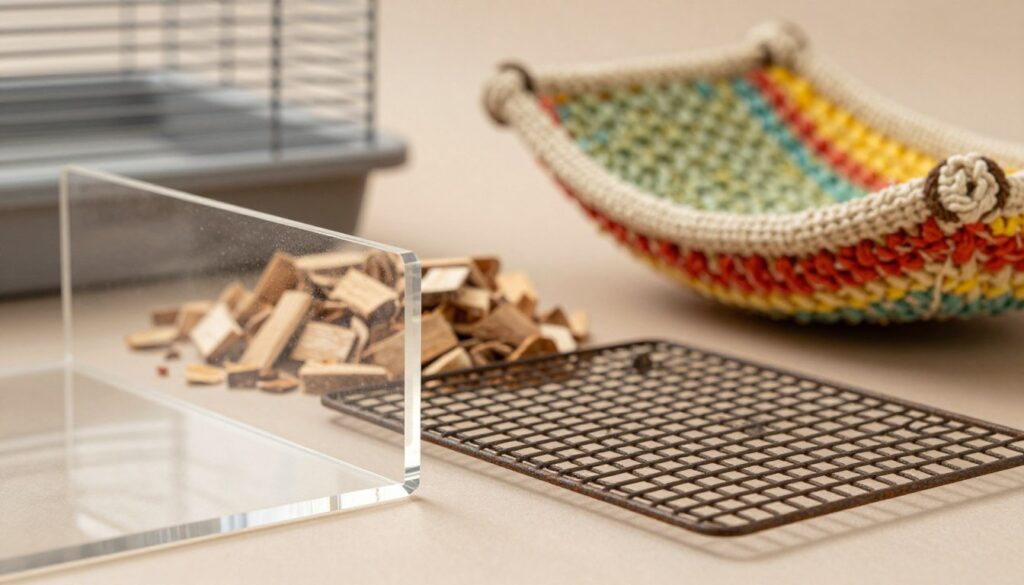
Safety Concerns Regarding Plastic and Chewing
Many cages use plastic, which can be a problem. Hamsters love to chew, and they might chew through thin plastic. This could lead to them escaping.
Also, plastic cages often don’t breathe well. If you pick a plastic cage, make sure it has good air vents. Check for sharp edges that might form after your hamster chews on them.
The Longevity of Metal and Glass Components
For high-quality hamster housing, glass and metal are best. Glass tanks are strong and chew-proof, letting you see your hamster easily. They also don’t get damaged by moisture or chewing.
Metal cages are great for air flow, which helps prevent breathing problems. With a solid bottom, these cages last a long time. They’re a better value than cheap plastic cages.
Cleaning and Maintenance Ease
Keeping a clean cage is easier with durable hamster cage materials. Glass and metal don’t soak up smells or stains. You can clean them easily with safe products.
Plastic cages can get scratched, creating places for germs. These spots are hard to clean. Choosing materials that don’t scratch makes cleaning simpler and more effective.
Selecting the Right Bedding and Substrate Depth
Choosing the right bedding is key to a ideal hamster living space. The substrate is where your hamster sleeps, eats, and plays. Quality bedding keeps your hamster happy and healthy every day.
Deep Bedding for Natural Burrowing Behaviors
Hamsters love to dig and build tunnels. You need at least six to ten inches of substrate depth. Deep bedding helps them build stable nests, which reduces stress.
Shallow substrate stops hamsters from digging. A deep layer keeps them active and mentally sharp. Make sure the material is packed down to keep tunnels stable.
Choosing Dust-Free and Safe Materials
Some materials can harm your hamster’s lungs. Avoid cedar or pine shavings because they can cause health problems. Instead, use paper-based bedding or aspen shavings, which are safe and durable.
“A proper substrate is the foundation of a healthy habitat; it provides the necessary enrichment for a hamster to live a natural, stress-free life.”
Make sure your bedding is dust-free. Dust can hurt your hamster’s eyes and lungs. Paper bedding is a great choice because it’s soft, absorbs well, and holds tunnels well.
Managing Odor Control Through Cage Design
Keeping your hamster’s cage clean is easier when you know their habits. Hamsters usually pick a spot for their bathroom. Clean this area daily to keep the cage fresh.
Using durable hamster cage materials makes cleaning easy. A smooth base prevents urine from soaking into the cage, keeping it clean. See the table below for a comparison of bedding options.
| Material Type | Absorbency | Tunnel Stability | Safety Rating |
|---|---|---|---|
| Paper-based | High | Excellent | Very Safe |
| Aspen Shavings | Medium | Good | Safe |
| Wood Pellets | High | Poor | Moderate |
| Corn Cob | Low | None | Avoid |
Integrating Essential Accessories and Enrichment
Accessories beyond the cage walls greatly impact your pet’s daily life. Investing in recommended hamster cage designs sets the stage for happiness. But, it’s the interior layout that keeps them engaged. Thoughtful enrichment prevents boredom and destructive behaviors like cage rage.
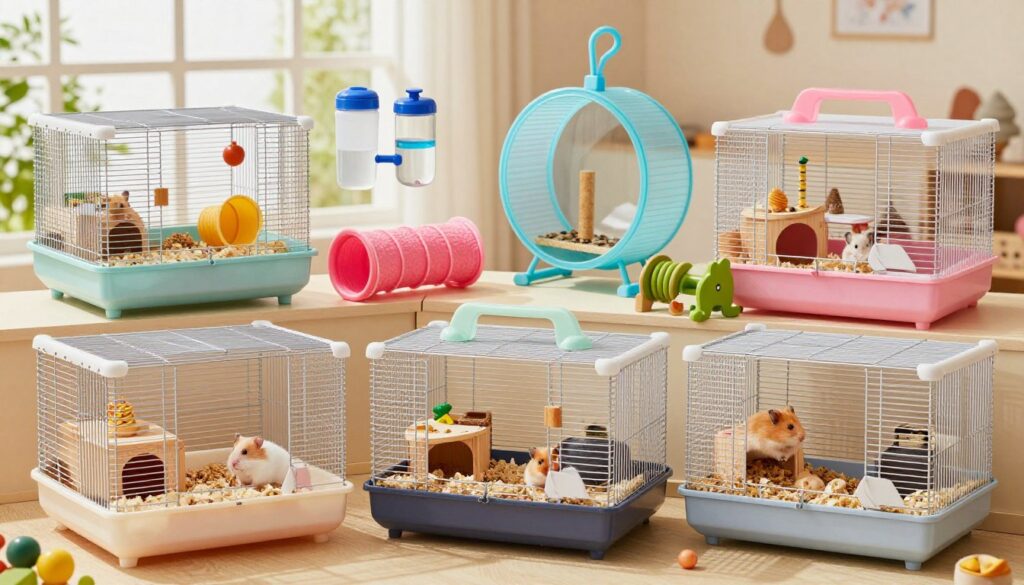
Choosing the Correct Wheel Size for Spinal Health
A solid-surface wheel is a non-negotiable for your hamster’s exercise. Avoid wheels with slats or wire mesh to prevent injuries. Always select a wheel large enough for your hamster’s back to stay straight while running.
If the wheel is too small, your hamster’s back will arch, causing spinal damage. A larger wheel lets them run naturally, keeping them healthy and active.
Placement of Water Bottles and Food Dishes
Strategic placement of your hamster’s essentials is crucial. Place food dishes and water bottles where they’re easy to reach but not in the sleeping zone. This keeps the living area clean and organized.
Use stable, heavy ceramic bowls to prevent tipping. Consistent placement helps your pet feel secure in their environment.
Adding Hides and Tunnels for Stress Reduction
Hamsters need hiding spots to feel safe. Adding tunnels and wooden hides mimics their natural burrowing. Providing multiple options for privacy is key to high-quality hamster housing.
Use cork logs, cardboard tubes, or wooden houses to create a complex landscape. These additions reduce stress and encourage exploration and activity.
Common Mistakes to Avoid When Buying a Habitat
Finding the perfect home for your hamster means looking beyond the surface. It’s important to focus on what your pet really needs. Many owners pick an affordable hamster habitat that looks good but doesn’t offer enough space. If your hamster shows signs of cage rage, like a ruffled coat or red eyes, it’s a sign the cage is too small.
Avoiding Overcrowded or Multi-Level Plastic Tubes
Many cages have fancy plastic tubes that seem like fun. But these can actually limit your hamster’s movement and make cleaning hard. Overcrowded environments stress hamsters out, as they need room to run and burrow.
Recognizing Inadequate Ventilation in Bin Cages
DIY bin cages are popular, but they can be bad for air if not fixed right. Without good air flow, ammonia from urine can harm your hamster’s lungs. Make sure your DIY cage has big, mesh-covered windows for a healthy environment.
Why Small Commercial Cages Often Fail
Many top hamster cage brands sell small, colorful cages that are not good enough. These tiny spaces stop hamsters from digging and running naturally. It’s better to choose a bigger, simpler cage than a small, complex one.
| Common Mistake | Impact on Hamster | Recommended Solution |
|---|---|---|
| Multi-level plastic tubes | Restricts movement | Open floor space |
| Poor ventilation | Respiratory issues | Mesh-covered panels |
| Small commercial cages | High stress/cage rage | Large, flat enclosures |
Conclusion
Creating a great home for your hamster starts with choosing the right cage. You can make a big difference in your pet’s life by picking a cage that meets their needs. It should support their natural curiosity and keep them healthy.
Looking into top hamster cage brands is a smart move. These brands focus on making cages that are safe and last long. They use materials that can withstand chewing and daily use.
Watch your hamster closely after they move in. A happy, active, and curious hamster is a sign that you’ve made the right choice. They might burrow, run, or explore with joy in a safe space.
Spending time choosing the right cage is worth it. It sets the stage for a happy and fulfilling life together. Check out the best hamster cage brands to find the perfect one for your pet today.