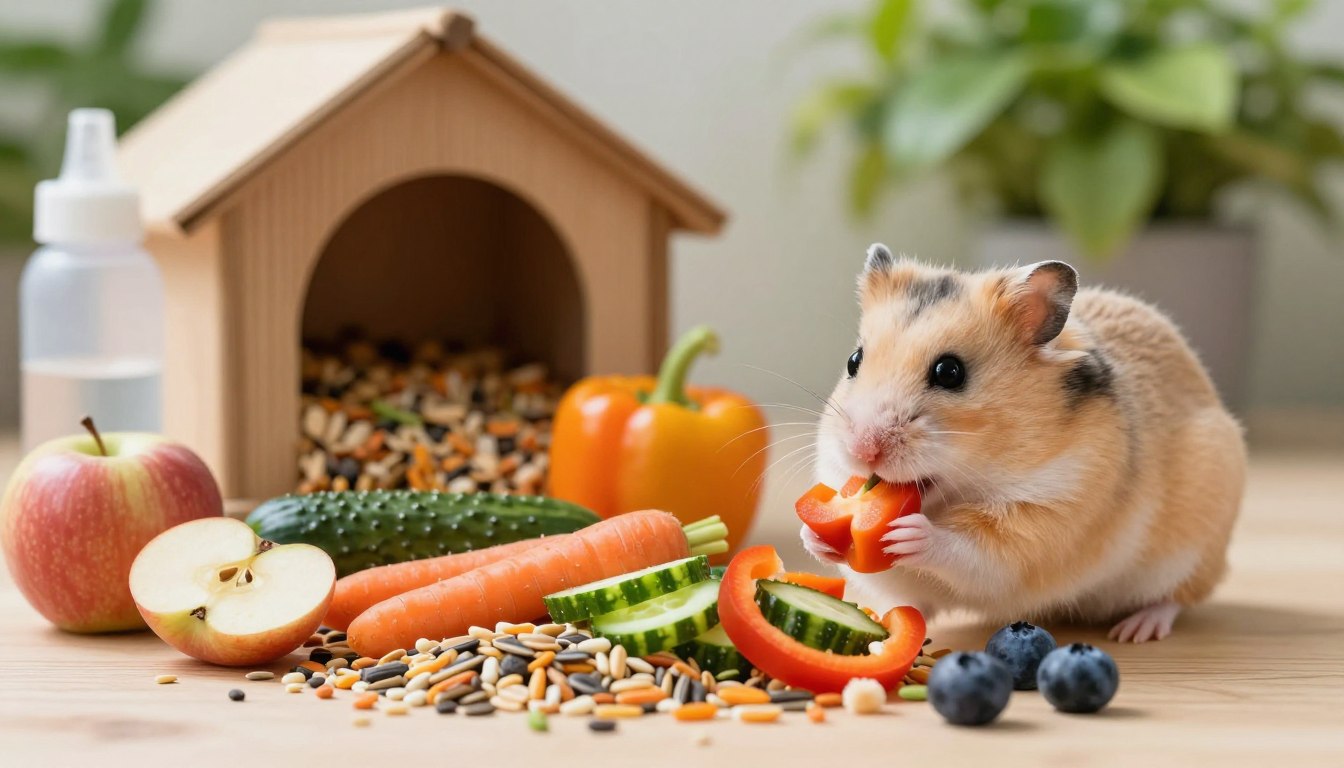
Hamster Diet Tips for a Happy and Healthy Hamster
You look into those tiny, curious eyes and feel an immediate bond with your small companion. Providing the best care is your top priority. It all starts with what you put in their bowl every single day.
A healthy hamster diet is key to keeping your furry friend healthy. By choosing the right nutrients, you help your pet avoid common illnesses. This ensures they live a long, vibrant life.
Understanding your pet’s nutritional needs helps you create a balanced hamster diet. This diet supports their energy levels. Proper feeding habits show your love and dedication to their well-being.
Key Takeaways
- Nutrition serves as the primary foundation for your pet’s long-term health.
- Balanced meals help prevent common medical issues in small rodents.
- High-quality food choices directly impact your companion’s daily energy and vitality.
- Consistent feeding routines foster a stronger bond between you and your pet.
- Prioritizing specific nutritional needs ensures a happier and more active life.
Understanding the Nutritional Needs of Your Hamster
A balanced diet for hamsters is key to a long, happy life for your pet. Unlike some pets, hamsters eat both plants and animals. They need a mix of foods to stay energetic and healthy.
The Role of Protein in Hamster Health
Protein is vital for your hamster’s growth and repair. Since hamsters eat both plants and animals, they need a lot of good protein. This keeps them strong and full of energy.
“Proper nutrition is the single most important factor in extending the lifespan and quality of life for small rodents.”
Essential Vitamins and Minerals for Longevity
Hamsters need many vitamins and minerals to stay healthy. Vitamins A, D, and E, and minerals like calcium, are crucial. They help with bones and metabolism. A balanced diet for hamsters with these nutrients is essential.
Choose foods that have a wide range of these nutrients. A healthy hamster diet is more than just filling the bowl. It’s about giving the right food for every part of their life. This keeps them active and healthy for years.
Hydration Requirements for Small Pets
Water is crucial for a hamster diet. Hamsters need water for digestion and to stay cool. Make sure their water is always fresh and clean.
Keep their water source easy to get to and working well. Drinking enough water is as important as eating the right food. Even a little bad water can hurt your hamster’s health.
The Foundation of a Balanced Hamster Diet
Mastering the basics of a balanced diet for hamsters is key to your pet’s health. A good diet from the start helps avoid many health problems. It also supports a long, active life. A proper hamster diet includes high-quality staples that cover all your hamster’s needs.
Selecting High-Quality Commercial Pellets
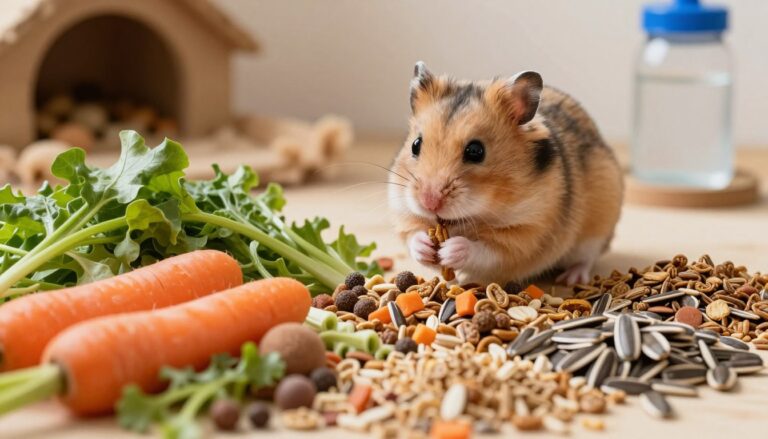
Commercial pellets are the best food for hamsters because they offer consistent nutrition. Unlike loose mixes, these pellets stop your pet from picking only their favorite, high-fat foods. This ensures your hamster gets all the vitamins and minerals they need.
The hard, crunchy texture of these pellets is also great for dental health. As your hamster chews on them, they naturally wear down their teeth. This helps prevent painful dental overgrowth and keeps their mouth healthy.
“A high-quality pellet acts as the nutritional anchor for your small pet, ensuring that every meal is complete and balanced.”
The Importance of Seed Mixes in Daily Feeding
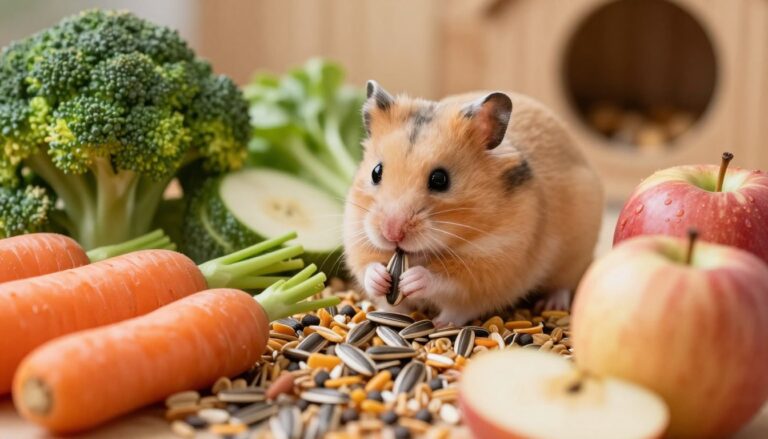
While pellets are a stable base, seed mixes add variety and enrichment. But, you must watch out for selective feeding. Many hamsters will choose high-fat seeds over healthy grains, leading to weight gain if not controlled.
To keep a balanced diet for hamsters, mix a small amount of high-quality seeds with their pellets. This encourages natural foraging and ensures they get the essential nutrients from the pellets. Always check if your pet is leaving behind the healthier, less exciting parts.
| Food Type | Primary Benefit | Best Usage |
|---|---|---|
| Uniform Pellets | Complete Nutrition | Daily Base Feed |
| Seed Mixes | Natural Enrichment | Supplement/Treat |
| Fresh Produce | Hydration & Vitamins | Occasional Addition |
Fresh Fruits and Vegetables to Enhance Nutrition
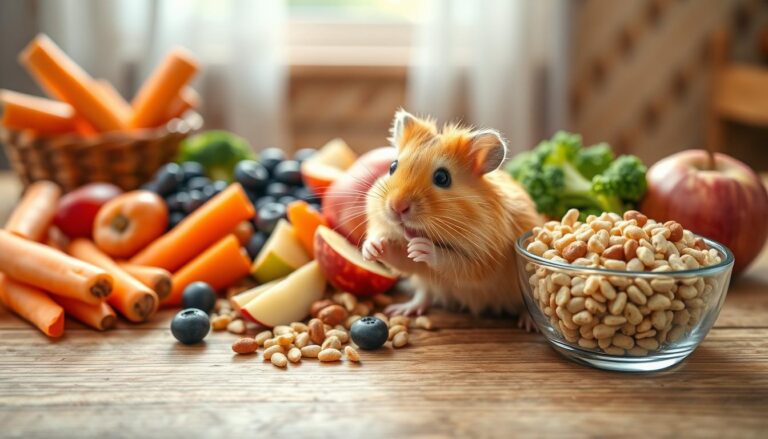
Knowing what can hamsters eat is key for any hamster owner. While pellets are main food, fresh foods add vitamins and water. But, they should not make up too much of their diet to avoid stomach problems.
Safe Vegetables for Your Hamster
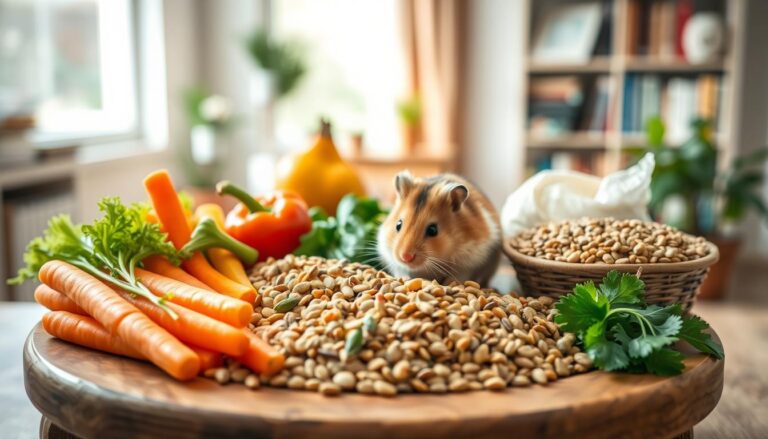
Vegetables are great for a hamster food list. Broccoli, carrots, and cucumber are usually okay. Start with small amounts to watch for any bad reactions.
Choose veggies that are full of nutrients and fiber. Dark leafy greens like kale or spinach are good but in tiny amounts. Always pick organic to avoid pesticides.
Fruit Portions and Sugar Content Considerations
Fruits are tasty but full of sugar. Hamsters can get diabetes, so give fruits in small amounts. A tiny apple slice or a small strawberry is enough.
Don’t use fruits as main food. Treat them as rewards during playtime. Watch your hamster’s weight closely when adding sugary foods.
Preparation Tips for Fresh Produce
Washing veggies well is important for safety. Chop them into bite-sized pieces to stop choking and make them easy to carry.
Take out any uneaten food after a few hours. Leftover food can spoil and grow bacteria. Use this guide to manage your hamster food list well.
| Food Item | Category | Frequency | Preparation |
|---|---|---|---|
| Carrots | Vegetable | Twice Weekly | Small, thin slices |
| Broccoli | Vegetable | Once Weekly | Small florets |
| Apple | Fruit | Rarely | Remove seeds/skin |
| Cucumber | Vegetable | Twice Weekly | Small cubes |
Protein Sources for a Healthy Hamster Diet
Meeting your hamster’s nutrition needs is more than just pellets. Protein is a critical building block for muscle growth and repair. It keeps your small pet healthy and full of energy.
Choosing high-quality protein sources is key to a healthy diet. Remember, these foods should be plain, without salt, oil, or seasoning.
Safe Animal-Based Proteins
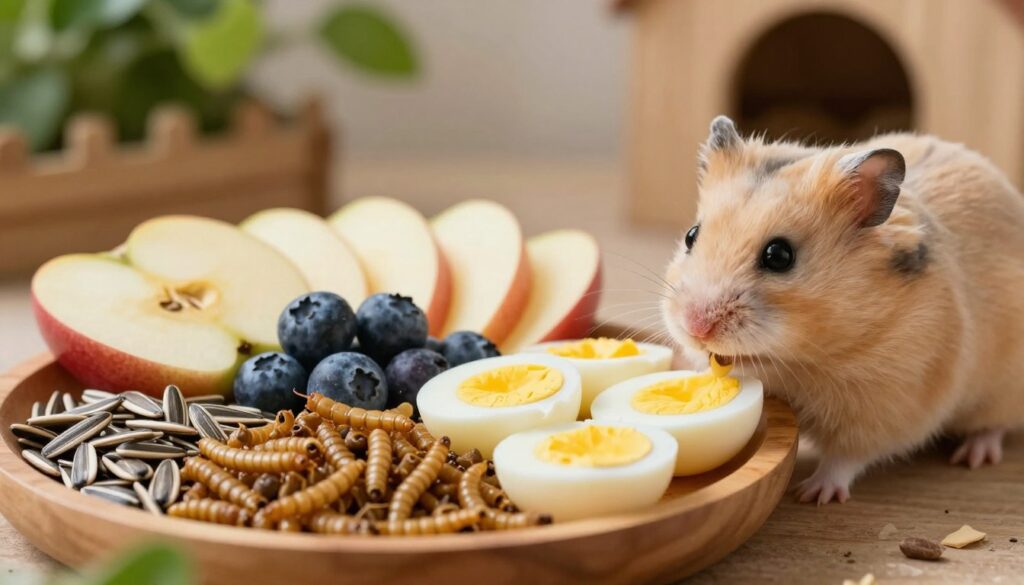
Small amounts of animal protein can mimic a hamster’s natural diet. You can give them tiny pieces of plain, boiled chicken or small, dried mealworms. These provide essential amino acids.
These natural sources are great for encouraging foraging behaviors. Hiding a mealworm in their bedding stimulates their natural instincts. It also strengthens your bond with them.
Plant-Based Protein Alternatives
If you prefer plant-based options, there are several choices. Cooked lentils, chickpeas, or small portions of peas are excellent for boosting protein.
Make sure these items are thoroughly cooked and cooled before serving. Variety is key to ensuring your pet gets a complete range of nutrients. This way, they don’t rely on just one food source.
Frequency and Portion Control for Protein Treats
While protein is good, moderation is essential. Only offer these treats once or twice a week. This prevents digestive issues or weight gain.
Keep the portions very small, about the size of a pea. Watching how your hamster reacts to these treats helps keep their diet balanced and healthy over time.
Foods to Avoid for Hamsters
Knowing what foods are bad for your hamster is key to their health. You might wonder what can hamsters eat, but it’s also crucial to know what they shouldn’t have. Keeping an eye on the hamster food list helps keep your pet safe and healthy.
Toxic Foods That Pose Immediate Risks
Some foods are toxic to small animals. The allium family, like onions and garlic, can harm a hamster’s red blood cells. Even a little bit can cause serious anemia.
Chocolate and caffeine are also no-go’s. They can make a hamster’s heart race, cause tremors, and even seizures. Make sure to keep these items away from your hamster’s home.
Common Household Items That Are Unsafe
Many human snacks are bad for hamsters because of their salt, sugar, or fat. Foods like potato chips and candy can make a hamster gain weight fast and cause stomach problems. Stick to fresh, whole foods instead of processed snacks.
Citrus fruits like lemons and oranges are also risky. Their acidity can upset a hamster’s stomach. It’s safer to give them low-acid veggies.
Why Certain Textures and Foods Cause Choking
Texture is important for your pet’s safety. Sticky foods like peanut butter can get stuck in a hamster’s cheek pouches. This can cause pain or infection if not removed quickly.
Sharp or hard items can also hurt your hamster. Avoid foods with sharp edges or hard shells. Giving them the right texture helps prevent choking.
| Food Category | Examples | Primary Risk |
|---|---|---|
| Allium Family | Onions, Garlic | Blood cell damage |
| Stimulants | Chocolate, Coffee | Heart and nervous system stress |
| Processed Snacks | Chips, Candy | Obesity and digestive upset |
| Sticky Foods | Peanut Butter | Cheek pouch impaction |
Managing Portion Sizes and Feeding Schedules
Getting the right amount of food is key for your hamster’s health. A good hamster feeding guide helps avoid too much or too little food. This balance keeps your hamster happy and healthy.
Establishing a Consistent Feeding Routine
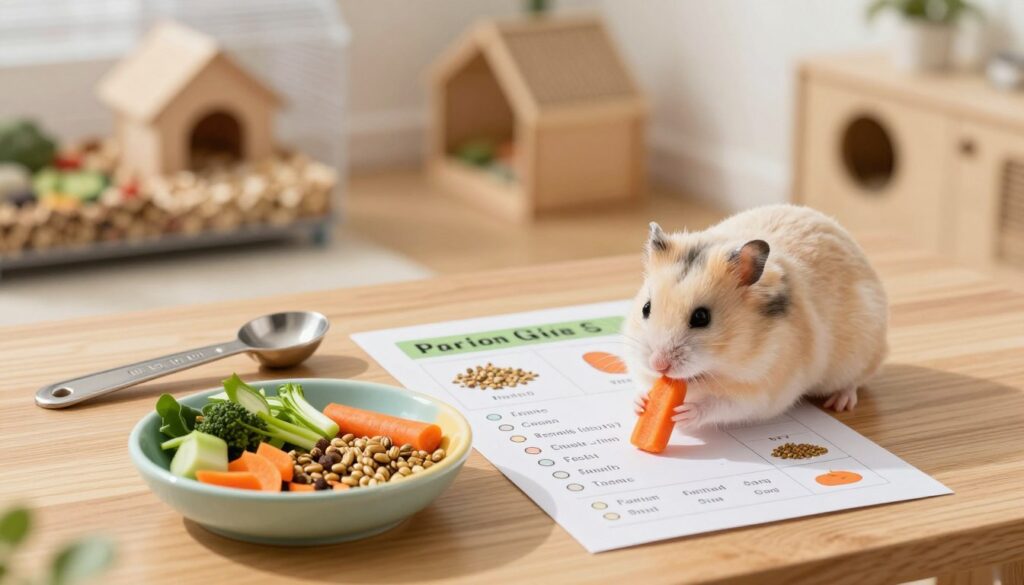
Hamsters like routine and use their internal clocks to plan their day. Feed them fresh food at the same time each evening. This is when they are most active. Consistency reduces stress and supports a healthy metabolism.
“The secret to a healthy pet is not just what you feed them, but how you manage their daily intake with care and precision.”
Sticking to a schedule helps you notice if your hamster’s appetite changes. If they miss a meal, it could mean something’s wrong. Make sure they always have fresh water with their food for digestion.
Recognizing Signs of Overfeeding and Obesity
Too much food can make your hamster’s burrow too full. Check their storage often to see if they’re eating too much. If your hamster is gaining weight or seems tired, it’s time to cut back on food.
Being overweight can lead to serious health problems like diabetes and heart issues. A healthy hamster should look lean, not fat. If you feel fat rolls when holding them, it’s time to change their diet.
How to Monitor Your Hamster’s Weight
Watching your hamster’s weight is crucial for their health. Use a small digital kitchen scale to weigh them weekly. Keeping a log will help you see trends and adjust their diet as needed.
| Hamster Species | Average Daily Portion | Primary Focus |
|---|---|---|
| Syrian | 10-15 grams | High fiber, moderate protein |
| Dwarf | 5-8 grams | Low sugar, high variety |
| Chinese | 5-8 grams | Balanced seeds and greens |
Every hamster is different, and their activity levels can vary a lot. Active hamsters might need a bit more food, while less active ones need less. If you notice sudden weight changes, talk to your vet. It could be a sign of a health issue.
The Role of Foraging and Enrichment
You can make your hamster’s mealtime exciting and keep them sharp. By not using static food bowls, you help your pet use their natural hunting skills. This is key in any hamster feeding guide to keep them active and prevent boredom.
Encouraging Natural Foraging Behaviors
In the wild, hamsters spend a lot of time finding food. You can make their home a fun place to search for food. Try these ideas to keep your pet active:
- Scatter-feed dry mixes across the bedding to encourage digging and sniffing.
- Hide small pieces of vegetables inside cardboard tubes or paper bags.
- Use puzzle toys designed for small animals to make them work for their favorite snacks.
These changes make mealtime exciting. When your hamster searches for food, they stay fit and sharp. This hamster feeding guide keeps them curious and happy.
Using Treats as Training and Bonding Tools
Treats are more than just snacks; they help build trust. When you give a treat by hand, it creates a positive bond. This is crucial for taming and bonding with your hamster.
Remember to use treats carefully to keep their diet balanced. These moments strengthen your bond and provide needed enrichment. This hamster feeding guide helps you connect with your pet every day.
Safe Treats and Occasional Snacks
Make your hamster’s day with small, nutritious snacks. These treats support their health and strengthen your bond. But, choose wisely as many treats have hidden sugars that can harm them.
Healthy Commercial Treat Options
When shopping for treats, colorful packaging can be distracting. Always check the label for added honey, molasses, or artificial dyes. These can cause obesity or diabetes in hamsters.
Opt for natural, single-ingredient products. Dried mealworms are a great high-protein treat that mimics their natural foraging. Seed sprays also encourage them to work for their food, keeping them active.
Homemade Treat Ideas Using Safe Ingredients
Making your own snacks is rewarding. If you want to add to your hamster food list, use safe kitchen items. Plain, air-popped popcorn, fresh cucumber, or broccoli are all good choices.
Adding these to a homemade hamster diet lets you control what they eat. Remember, treats should not make up more than 10% of their daily calories. This way, they stay a supplement, not a replacement for their regular pellets.
| Treat Type | Frequency | Benefit |
|---|---|---|
| Dried Mealworms | 1-2 per week | High Protein |
| Sunflower Seeds | Occasional | Healthy Fats |
| Fresh Broccoli | Small piece weekly | Vitamins |
Addressing Dietary Needs by Hamster Species
Every hamster species needs different food. While many mixes are good, knowing what your hamster needs is key. This helps avoid health problems.
By tailoring their diet, you make sure they get the right nutrients. This helps them stay healthy and happy.
Specific Requirements for Syrian Hamsters
Syrian hamsters are big and active. They need more protein to keep their muscles strong. It’s important to feed them regularly to stop them from storing food in their cheeks.
Give them high-quality pellets and some grains and veggies. They can have more treats than smaller hamsters. But, watch their weight to keep them in top shape.
Nutritional Differences for Dwarf Hamster Breeds
Dwarf hamsters, like Winter Whites, are very sensitive to sugar. They can easily get diabetes. So, it’s crucial to follow a strict hamster feeding guide.
Avoid sugary foods and high-glucose veggies. Instead, give them leafy greens and low-sugar seeds. Strict portion control helps prevent obesity and health problems. This way, you can help your dwarf hamster live a long, healthy life.
Common Mistakes in Hamster Nutrition
Even the best owners can make mistakes that hurt their hamster’s health. Taking care of small pets is complex. It’s easy to miss the small details that help keep them healthy. Knowing these common errors can help you make your pet’s life better.
The Dangers of Relying Solely on Treats
Using treats as the main food is a big mistake. While treats can be tempting, they don’t have the nutrients that hamsters need. This can cause weight gain and health problems.
Too much sugar from treats is a big risk. Focus on giving high-quality pellets as the main food. Think about these dangers when picking snacks:
- Obesity: Treats with lots of calories can make hamsters too heavy.
- Nutrient Imbalance: Treats often don’t have enough fiber and minerals for digestion.
- Selective Feeding: Hamsters might not eat their healthy food if they get sugary treats instead.
Why Variety is Key to Preventing Deficiencies
A diet that doesn’t change can lead to nutritional gaps. These gaps can weaken your hamster’s immune system. To keep your hamster healthy, mix up fresh fruits and veggies with their pellets. Adding small amounts of cooked, plain veggies can give them extra vitamins.
It’s also key to know which foods are bad for hamsters, like citrus or raw beans. Variety doesn’t mean giving them human food. Instead, offer a range of safe, healthy foods. This way, your hamster gets all the nutrients they need to stay healthy and happy.
The secret to a long and happy life for your small pet lies in the quality and diversity of their daily bowl.
Conclusion
Right nutrition is key for your hamster’s health. You can make a big difference with the right choices and routines.
Choose high-quality pellets and add fresh veggies for a balanced diet. Be careful to avoid harmful foods to keep your hamster safe. Watch their weight to keep them active and healthy.
Creating a homemade diet for your hamster needs careful planning. You can add safe, natural foods for variety. This makes mealtime special and strengthens your bond.
By focusing on your hamster’s diet, you’re giving them the best care. Small changes can make a big difference in their life. Share your knowledge with others to improve animal care.
Begin by reviewing how you feed your hamster. Make small, positive changes today. Your hamster’s happiness depends on your efforts.